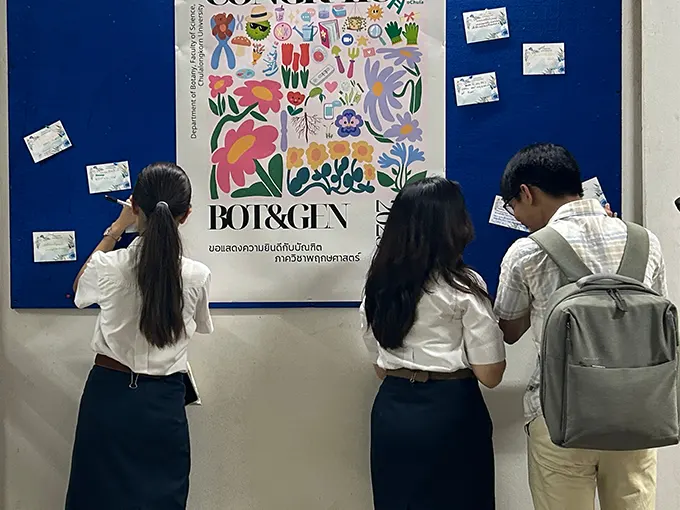
The Department of Botany is committed to being a leading center of excellence in Botany and Genetics. Our primary goal is to nurture proficient and highly qualified graduates in these fields. Our department currently offers two academic programs: Botany and Genetics.
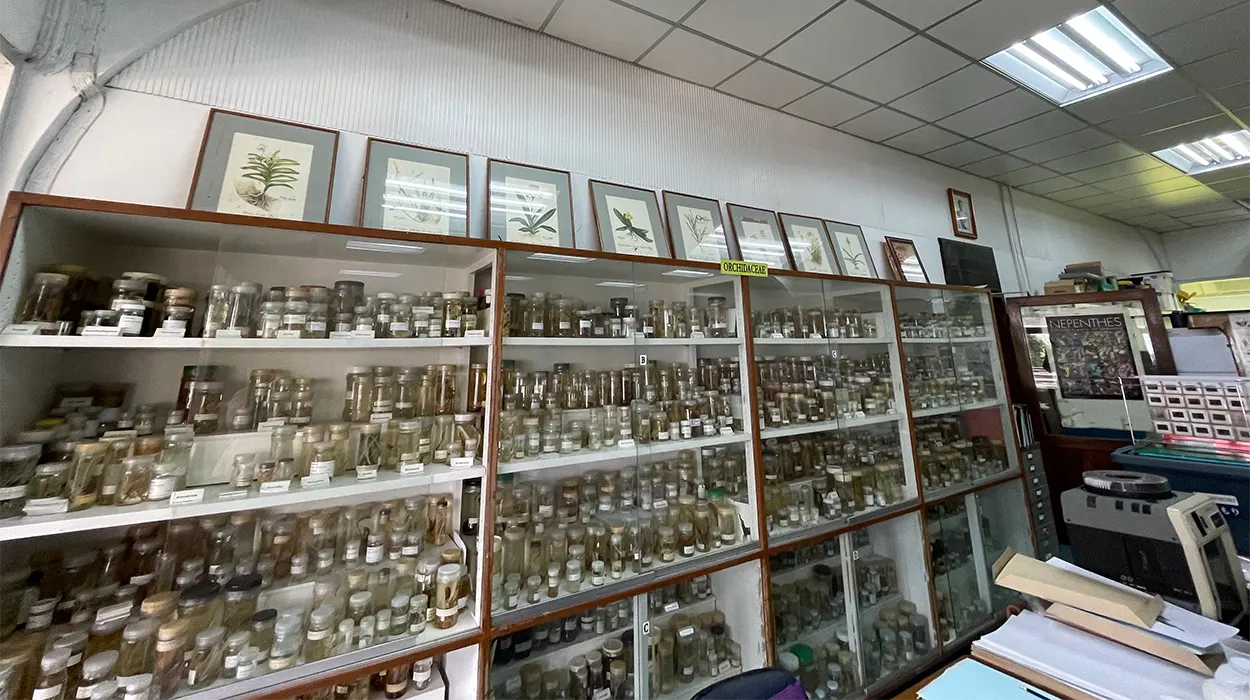
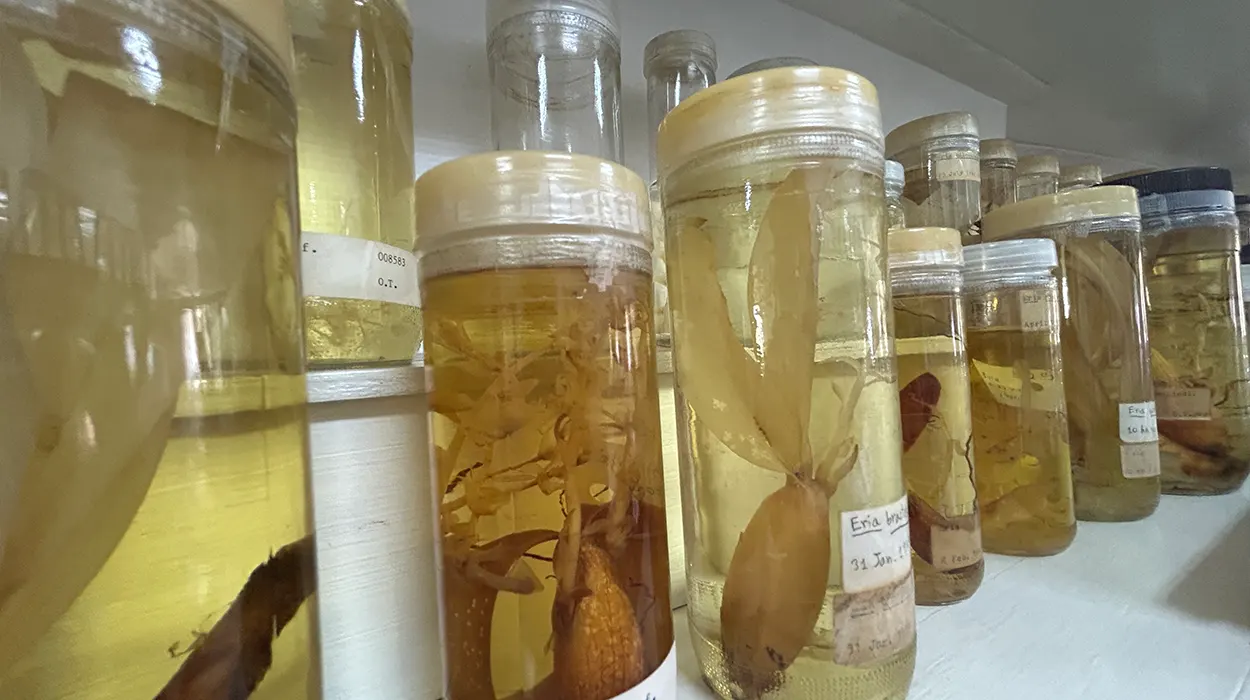
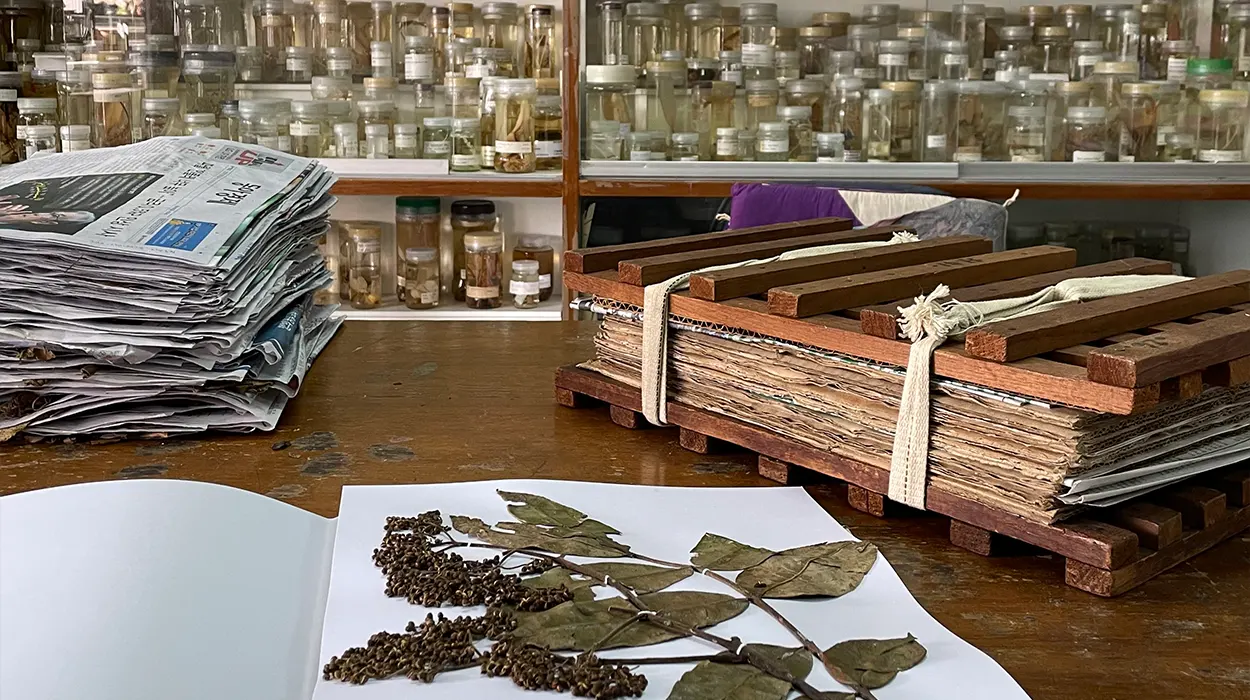
To support our mission, we have established the Prof. Kasin Suvatabhundu Herbarium (BCU) to preserve and curate plant specimens for research purposes. Additionally, our newly established Living Plant Museum serves as a comprehensive live collection of a diverse array of plant species, facilitating knowledge transfer to students and the public. These initiatives allow us to contribute valuable academic services to society.
The Department of Botany was founded on April 1st, 1956, as the “Botany Branch”. The first head of the department was Professor Luang Sri Samatvichakij (Siri Hupnanun). He was joined by three colleagues: Aree Adulpun (Assistant Professor Dr. Jitaree Sakrin), Srisumon Chantanachart (Assistant Professor Dr. Srisumon Sitathanee), and M.R. Priya Sonakul. Administrative support was provided by Mr. Boonsri Chantanaphumma, with Mr. Tawee Wilaihong fulfilling janitorial duties.
The Department of Botany originally offered a five-year bachelor’s program, which has been revised to a four-year program. Initially, students pursued a three-year course of study in Botany, receiving a diploma upon completion. They then had the option to specialize for an additional two years to obtain a Bachelor of Science degree, contingent upon meeting the Faculty’s qualifications. In 1965, in response to a nationwide reform of bachelor’s programs, the “Botany Branch” graduated only seven cohorts of five-year students between 1960 and 1967.
Currently, the Department of Botany offers four-year undergraduate programs in both Botany (BSc. Botany) and Genetics (BSc. Genetics). The Master’s program in Botany was initiated in the academic year 1961, with the first cohort graduating in 1962, and has since produced numerous Master’s graduates. The Department now offers Master’s degrees in Botany (MSc. Botany) and Genetics (MSc. Genetics).
Initially aligned with the Biological Sciences Program, the doctoral course was established and approved by the Ministry of University Affairs in 1981. Today, prospective students interested in Botany and Genetics have the option to pursue a Ph.D. in Botany or a Ph.D. in Biological Sciences.
In the beginning, students in the undergraduate program had to take almost all courses offered by the Department. However, as the faculty expanded, a greater variety of subjects became available. This allowed students to choose from a wider range of courses in various fields such as Physiology, Genetics, Morphology, Anatomy, Taxonomy, and Ecology. Students can explore many subjects or focus intensively on a specific area of interest.
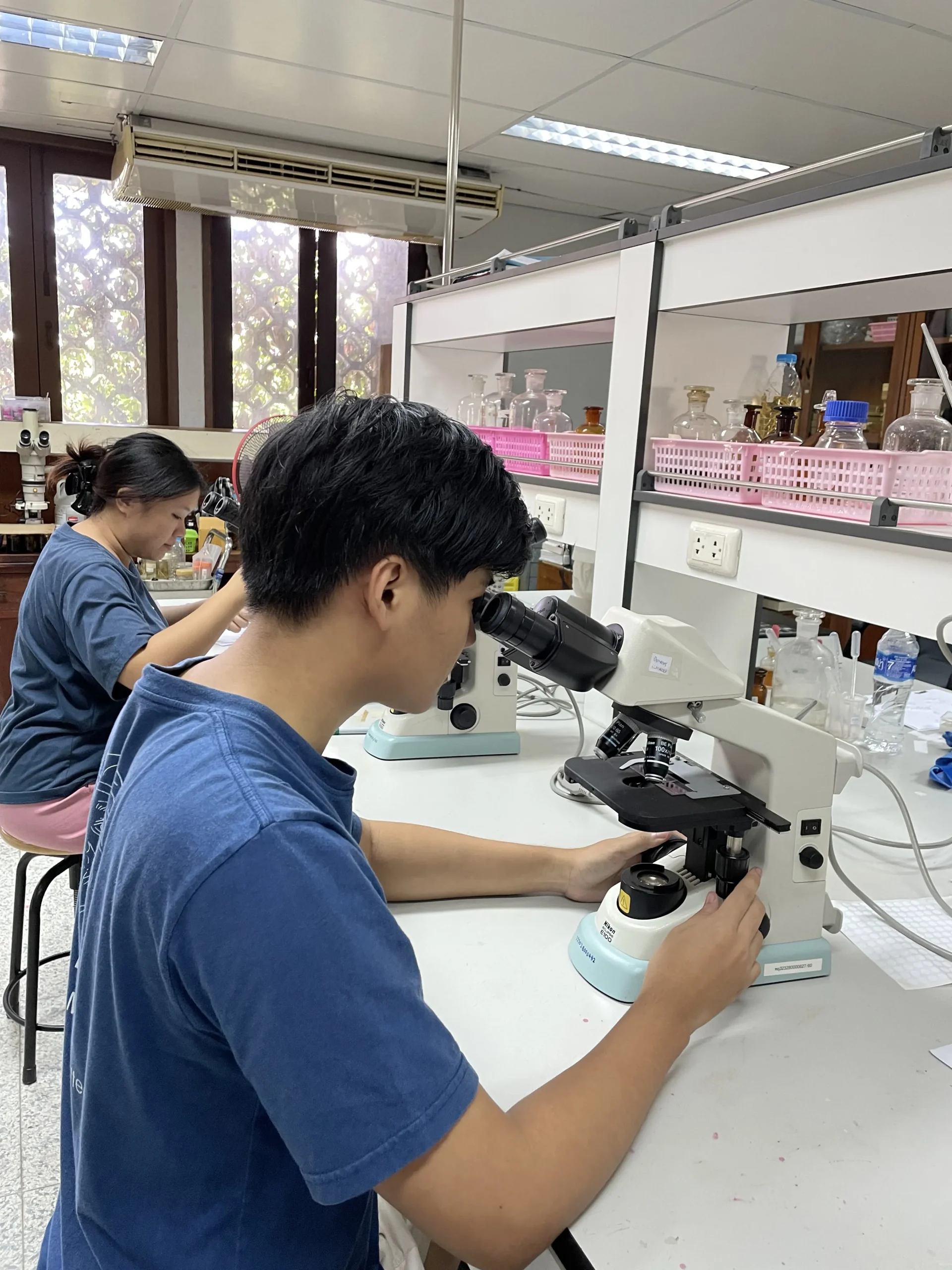
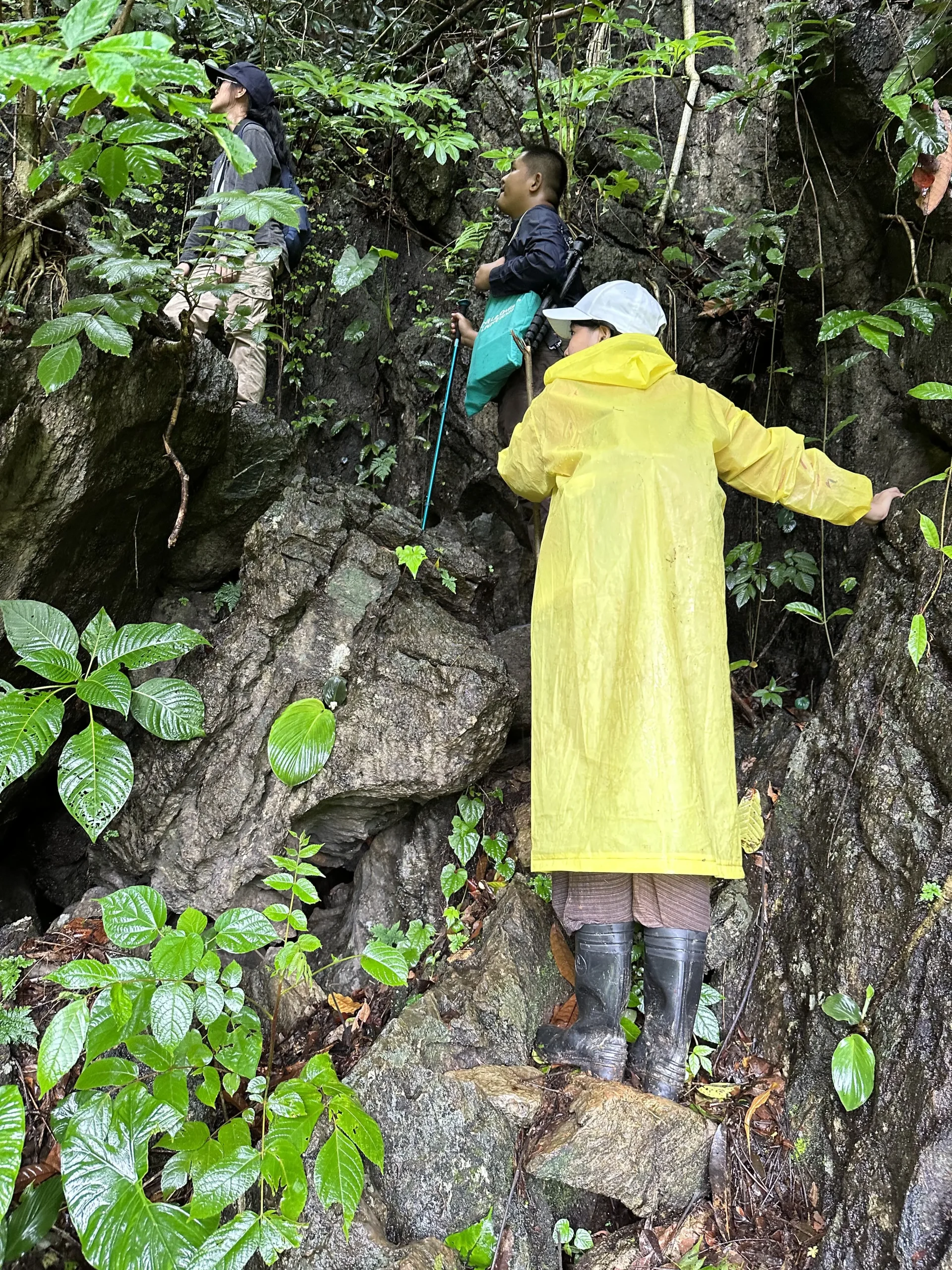
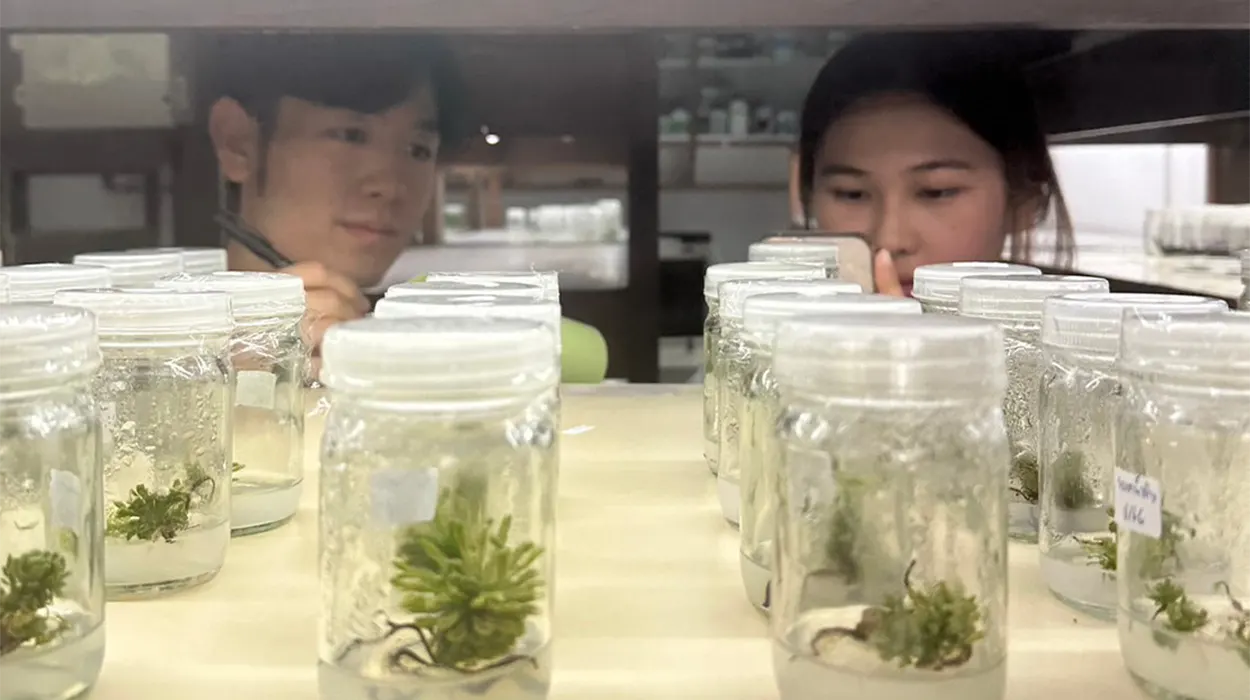
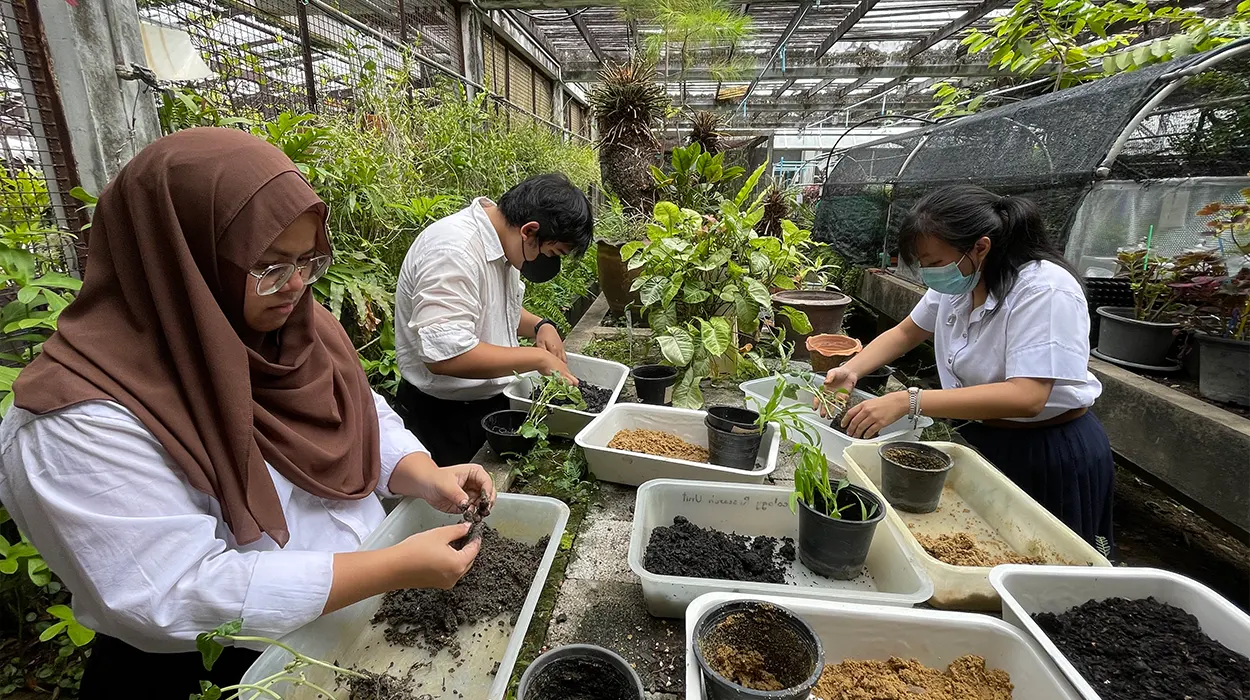
The botany curriculum includes lectures, lab work, and hands-on activities in experimental plots. Field trips provide students with the chance to study plants in their natural environments, whether in gardens or farms across Bangkok and other provinces. These experiences help students to connect with nature and tackle real-world botanical issues. Fieldwork is essential for understanding the interrelationships among plants, animals, and humans, fostering resilience, and providing genuine experiences with the natural world. Faculty and students collaborate to collect plant samples for educational purposes, with some specimens prepared as herbarium samples stored in the plant museum for future research.
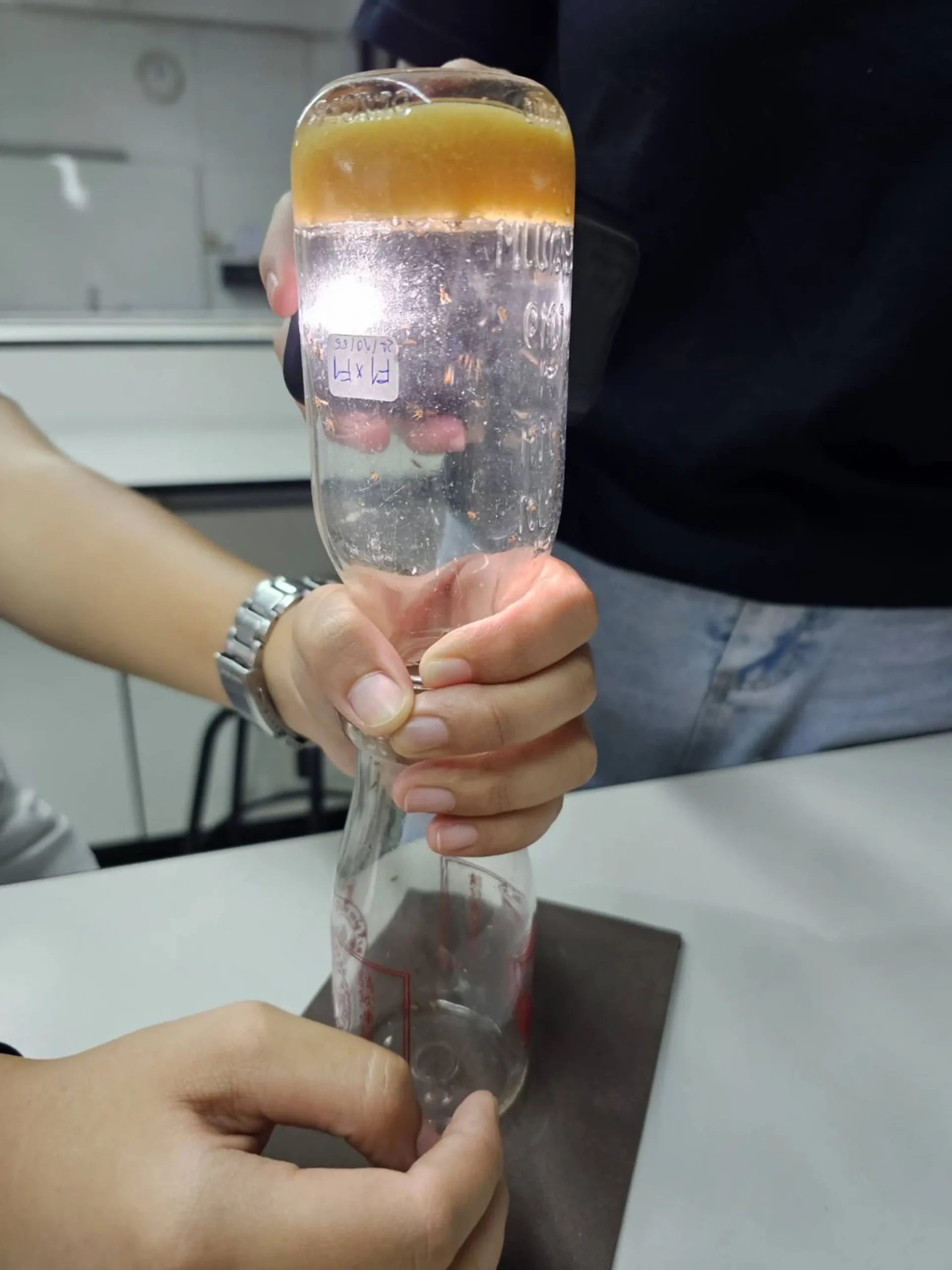
In the genetics curriculum, students attend lectures and lab exercises, along with internships and educational visits to various organizations. This enhances their practical experience, including collaborative research with other departments or faculties, and integrating classroom knowledge of genetics with real-life applications.
ชื่อ – นามสกุล | ปีที่ดำรงตำแหน่ง |
|---|---|
1. ศาสตราจารย์ หลวงศรีสมรรถวิชชากิจ | พ.ศ. 2499-2508 |
2. ศาสตราจารย์ วิรุฬห์ สุวรรณกิตติ | พ.ศ. 2508-2518 |
3. ศาสตราจารย์ กสิน สุวตะพันธ์ | พ.ศ. 2518 |
4. รองศาสตราจารย์ ดร. ไววิทย์ พุทธารี | พ.ศ. 2519-2521 |
5. รองศาสตราจารย์ ดร. ประดิษฐา อินทรโฆสิต | พ.ศ. 2521-2523 |
6. รองศาสตราจารย์ พรรณี ชิโนรักษ์ | พ.ศ. 2523-2529 |
7. รองศาสตราจารย์ ดร. อบฉันท์ ไทยทอง | พ.ศ. 2529-2533 |
8. รองศาสตราจารย์ อมร อุบลชลเขตต์ | พ.ศ. 2533-2534 |
9. รองศาสตราจารย์ นาฏฉลวย หลายชูไทย | พ.ศ. 2534-2537 |
10. รองศาสตราจารย์ ดร. ปรีดา บุญ-หลง | พ.ศ. 2549-2553 และ พ.ศ. 2537-2541 |
11. รองศาสตราจารย์ สุมิตรา คงชื่นสิน | พ.ศ. 2541-2545 |
12. รองศาสตราจารย์ นันทนา อังกินันทน์ | พ.ศ. 2545-2549 |
13. ผู้ช่วยศาสตราจารย์ ดร. ชุมพล คุณวาสี | พ.ศ. 2553-2555 |
14. ผู้ช่วยศาสตราจารย์ ดร.ต่อศักดิ์ สีลานันท์ | พ.ศ. 2555-2559 |
15. ศาสตราจารย์ ดร.ศุภจิตรา ชัชวาลย์ | พ.ศ. 2559-2563 |
16. รองศาสตราจารย์ ดร.สีหนาท ประสงค์สุข | พ.ศ. 2563-2566 |
17. รองศาสตราจารย์ ดร. รัชนีกร ธรรมโชติ | พ.ศ. 2566 – ปัจจุบัน |
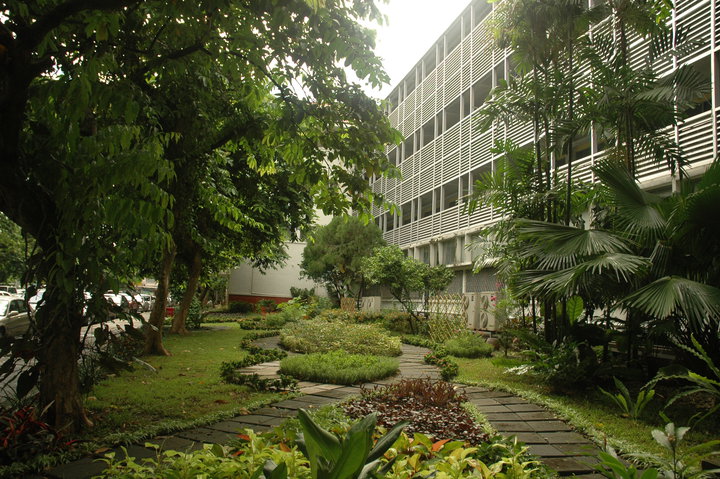
Initially, the Department of Botany was located in Biology Building 1, sharing space with the Department of Biology. In 1961, it moved to a new building constructed to the south of the original biology building (corresponding to Rooms 100 and 200). This new facility included a greenhouse and climate-controlled plant growth rooms for research and teaching purposes. Later, in 1967, the department moved to its current building, where it now shares the space with the Department of Geology.
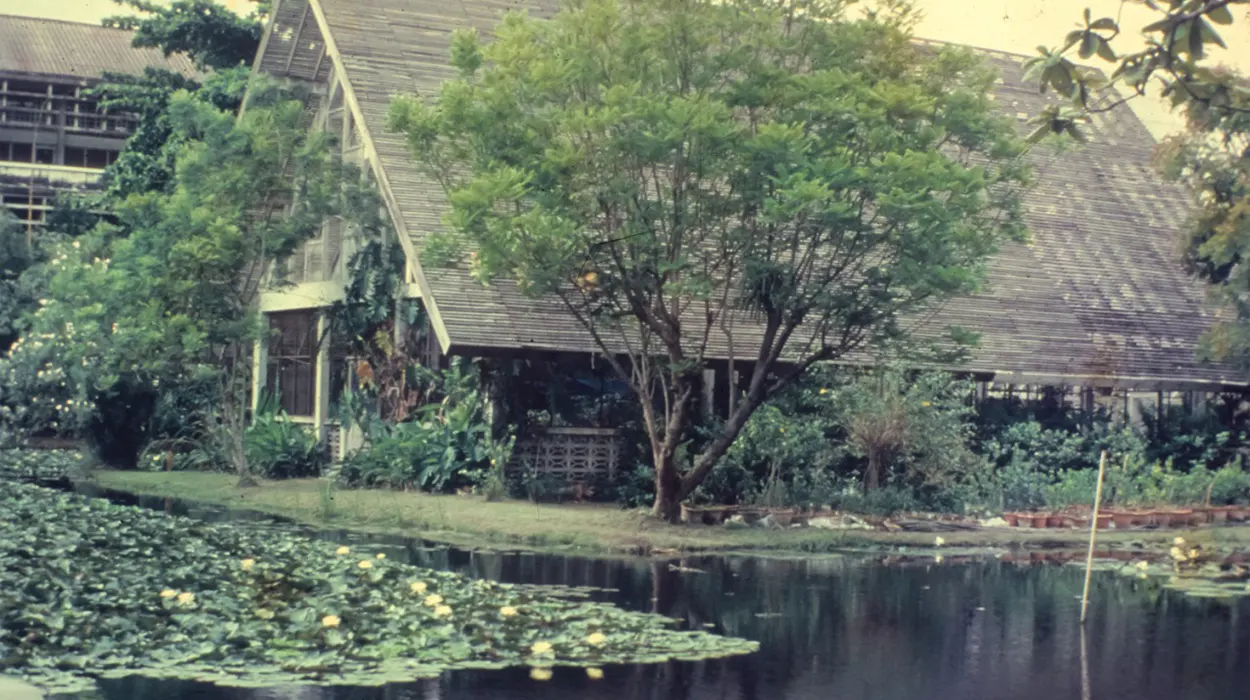
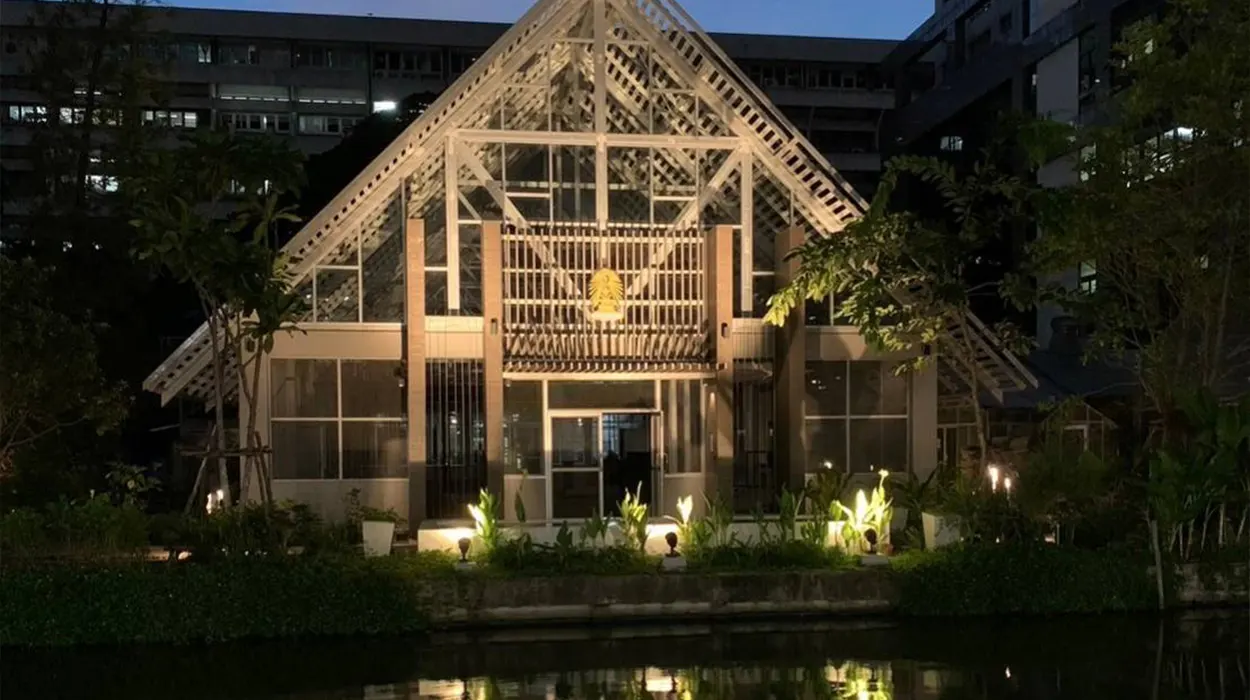
The first greenhouse of the Department of Botany was originally located where the swimming pool next to the Mathematics Building is now situated (currently the Chakrapong Pool area, near the Phra Kiew Pavilion). When the university needed the space for the swimming pool to host the 3rd Asian Games, the greenhouse was temporarily relocated to the south of the pool, near the experimental and rodent care facilities of the Department of Biology (now known as the Turtle and Frog Building). Eventually, the greenhouse was moved to its current location adjacent to the Botany Building.
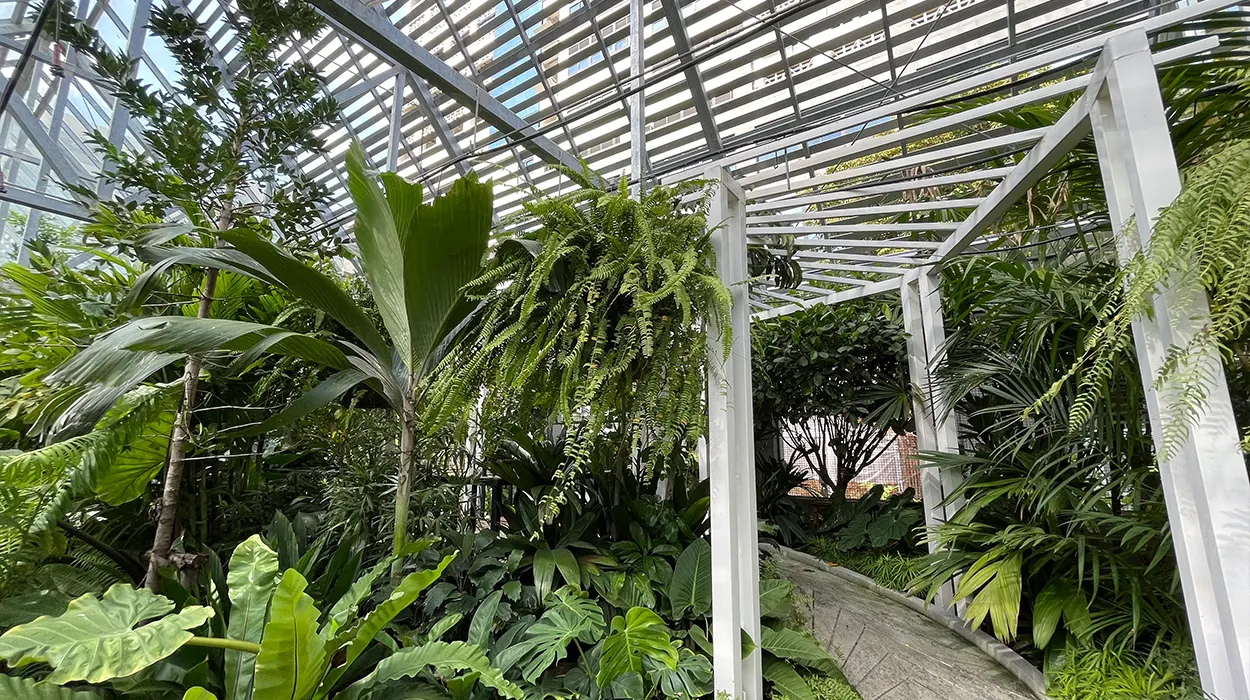
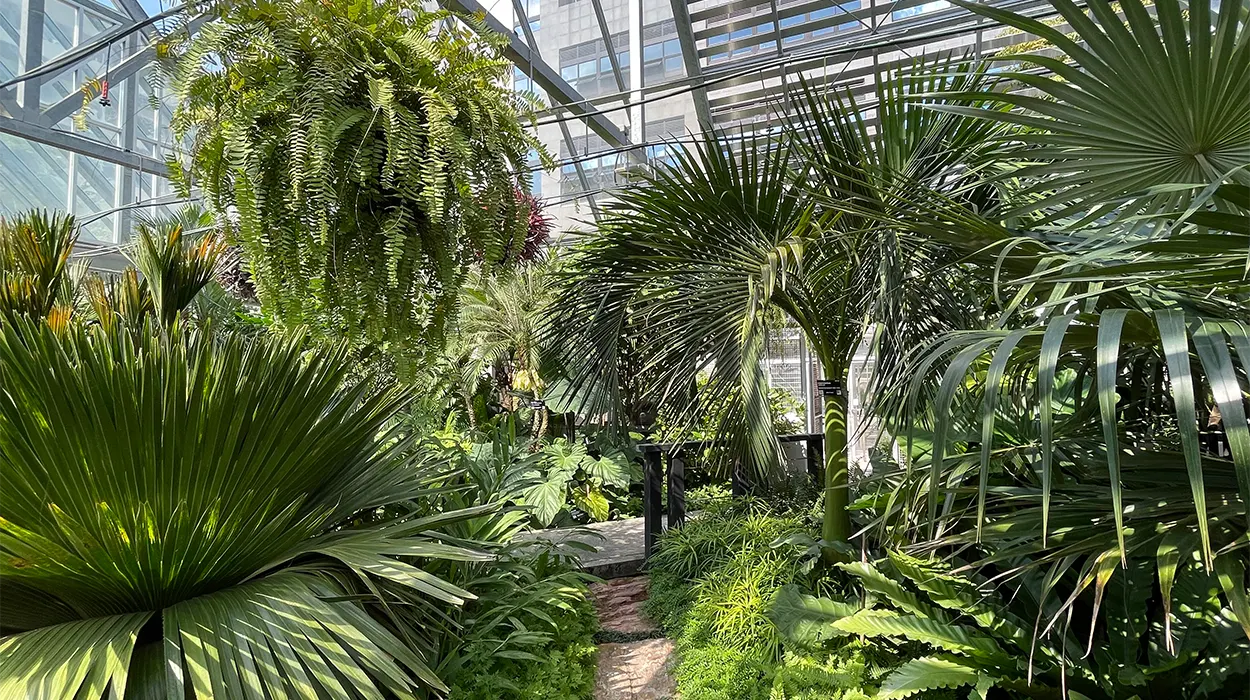
Currently, the department has planted various plant species around and inside the greenhouse for education and research purposes. This area has been established as a Living Plant Museum, featuring a greenhouse that displays diverse plant groups along with gardens surrounding it. This museum serves as a knowledge resource for those interested in botany. Additionally, an environmentally controlled greenhouse has been constructed to further support studies and research activities.
“Original Greenhouse, photographed in 2017, and the improved greenhouse transformed into a Living Plant Museum, photographed in 2023.”
The Plant Museum was established in 1960 by Professor Luang Srisamartwicha, who was the head of the Department of Botany at the time. It was officially opened on April 1, 1982, and was named the “Prof. Kasin Suvatabundhu Herbarium” in honor of Professor Kasin Suvatabundhu, a faculty member known for his expertise in plant taxonomy. This herbarium was registered in the index herbariorum with the herbarium code BCU.
Today, the Prof. Kasin Suvatabundhu Herbarium is located on the 4th floor of the Botany Building within the Faculty of Science at Chulalongkorn University. Its main purpose is to serve as a repository for plant specimens, providing a database for the flora of Thailand. The museum also serves as a research facility for students and faculty, supporting the educational activities of the department.
The Department of Botany plays an important role in preparing a skilled workforce in the fields of botany and genetics. This mission supports the United Nations Sustainable Development Goals (SDGs), which aim to improve the quality of life for the global population by 2030.
Graduates acquire essential skills that help them succeed in the 21st century, enabling them to share their knowledge and experiences with society. They share their knowledge and experiences with society and work as teachers, researchers, and professionals in many fields that promote sustainable development in the country. The department focuses on providing a solid foundation in modern botanical and genetic knowledge that is relevant around the world.
The Department of Botany actively promotes and shares academic knowledge through publications and different types of media. It focuses on the importance of biodiversity, the role of botany in mitigating the impacts of climate change, and the contribution of genetics to improving quality of life—particularly in agricultural productivity and medical genetics.
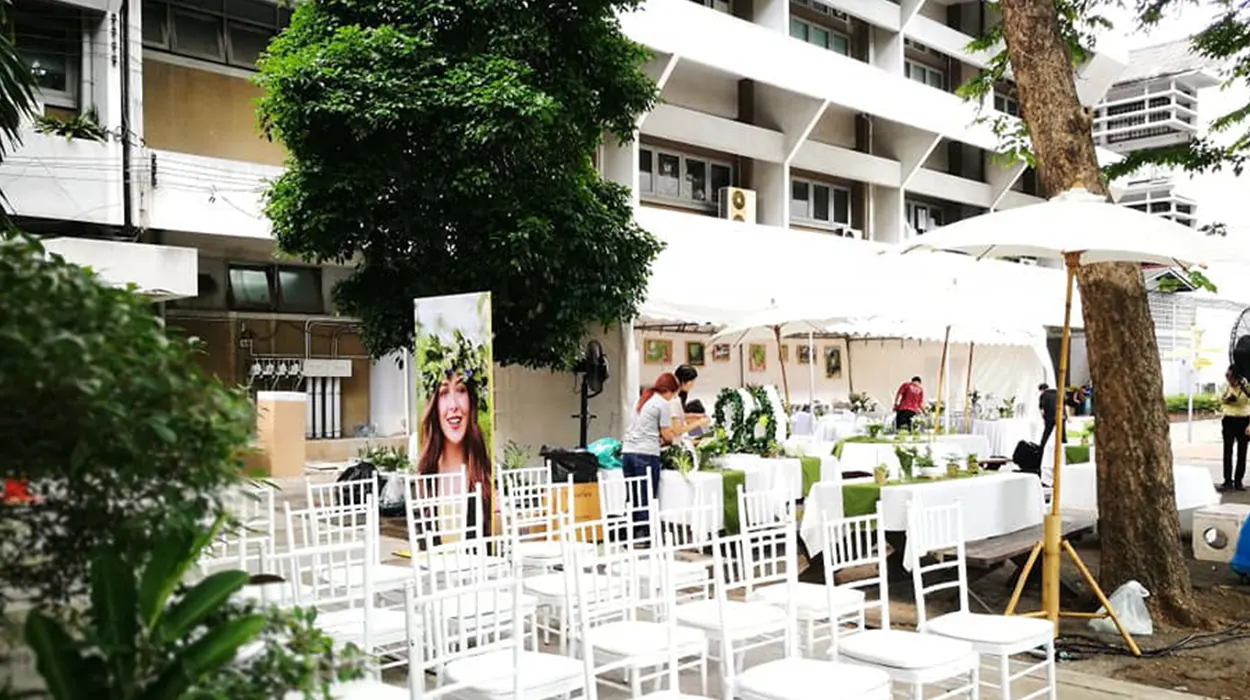
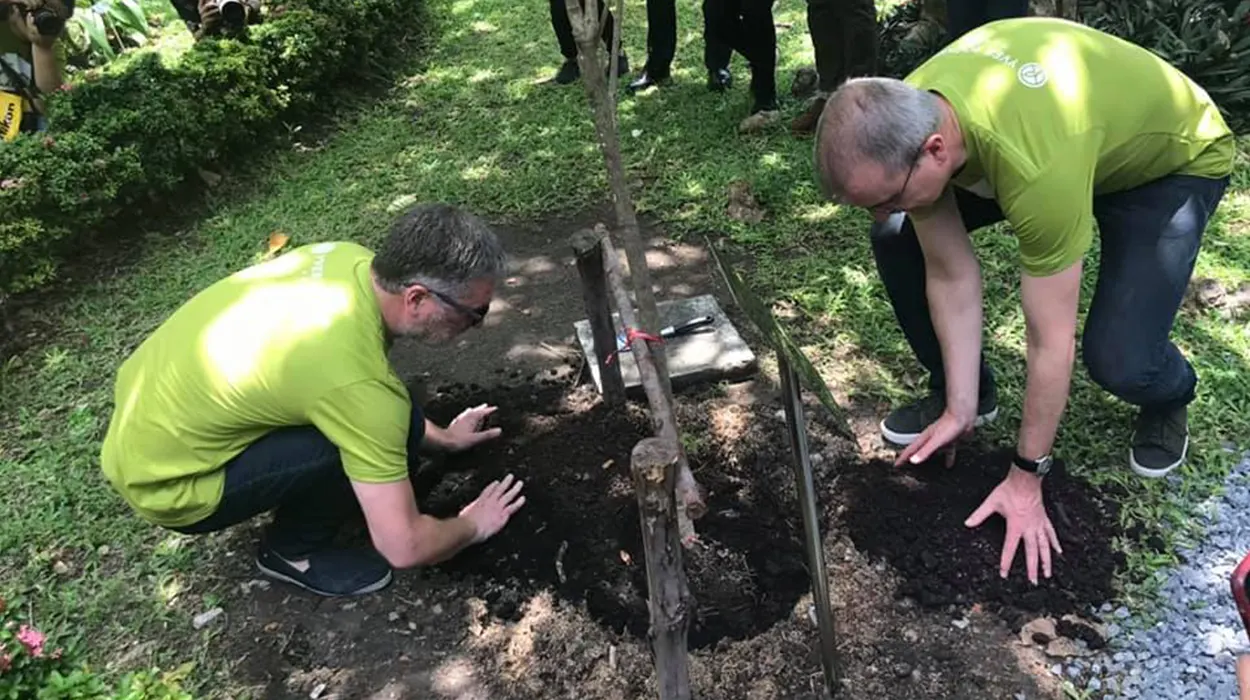
The department also collaborates with both national and international organizations, including government and private sectors, to engage in research and community projects. For example, in 2019, the department teamed up with Yves Rocher (Thailand) for the event “Together Let’s Plant for The Planet” as part of the Living Plant Museum project.
Young Botanists Program
Plant Species Survey in Thailand
Publication of Books and Textbooks on Botany and Genetics
Faculty of Science, Chulalongkorn University