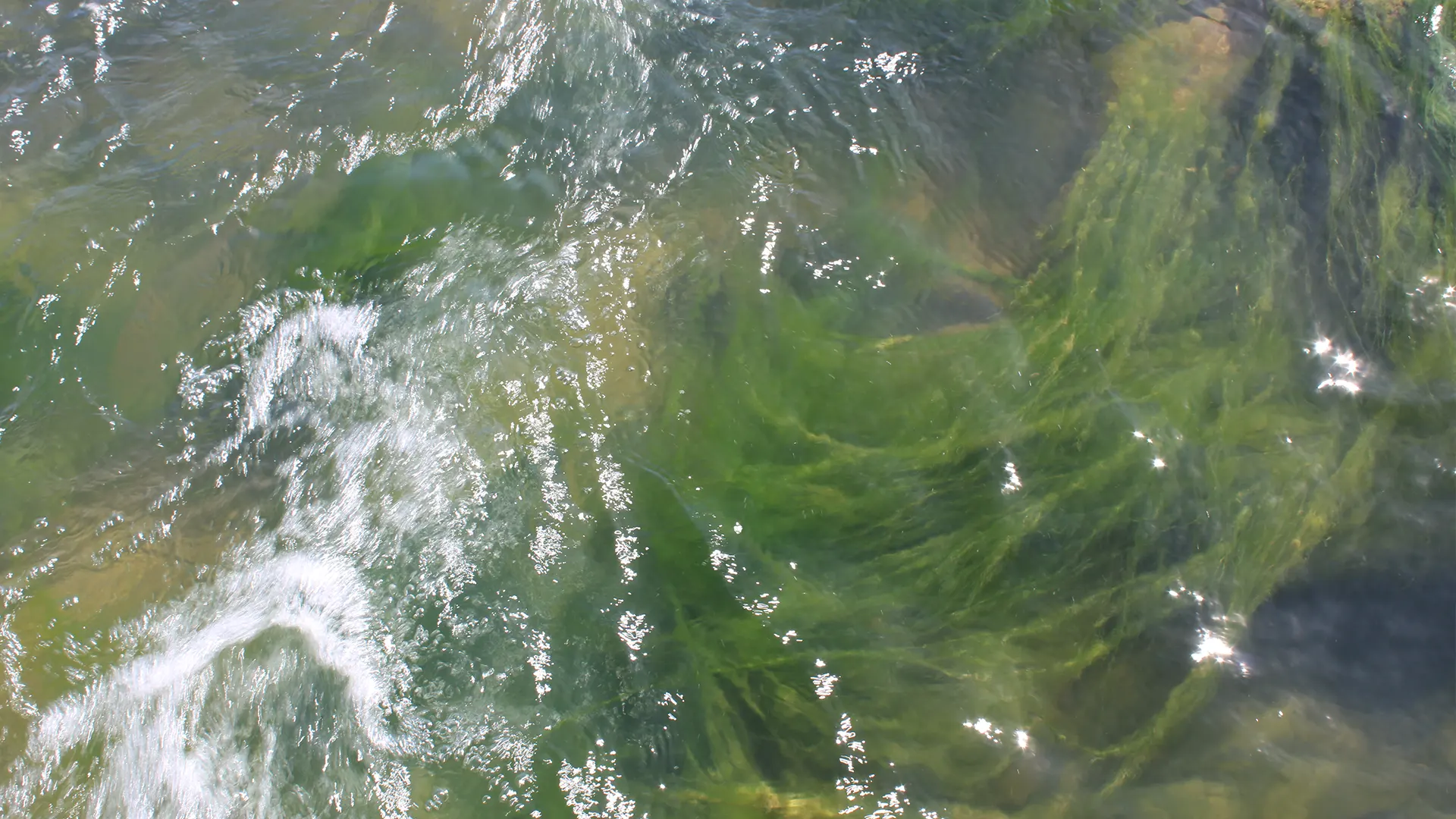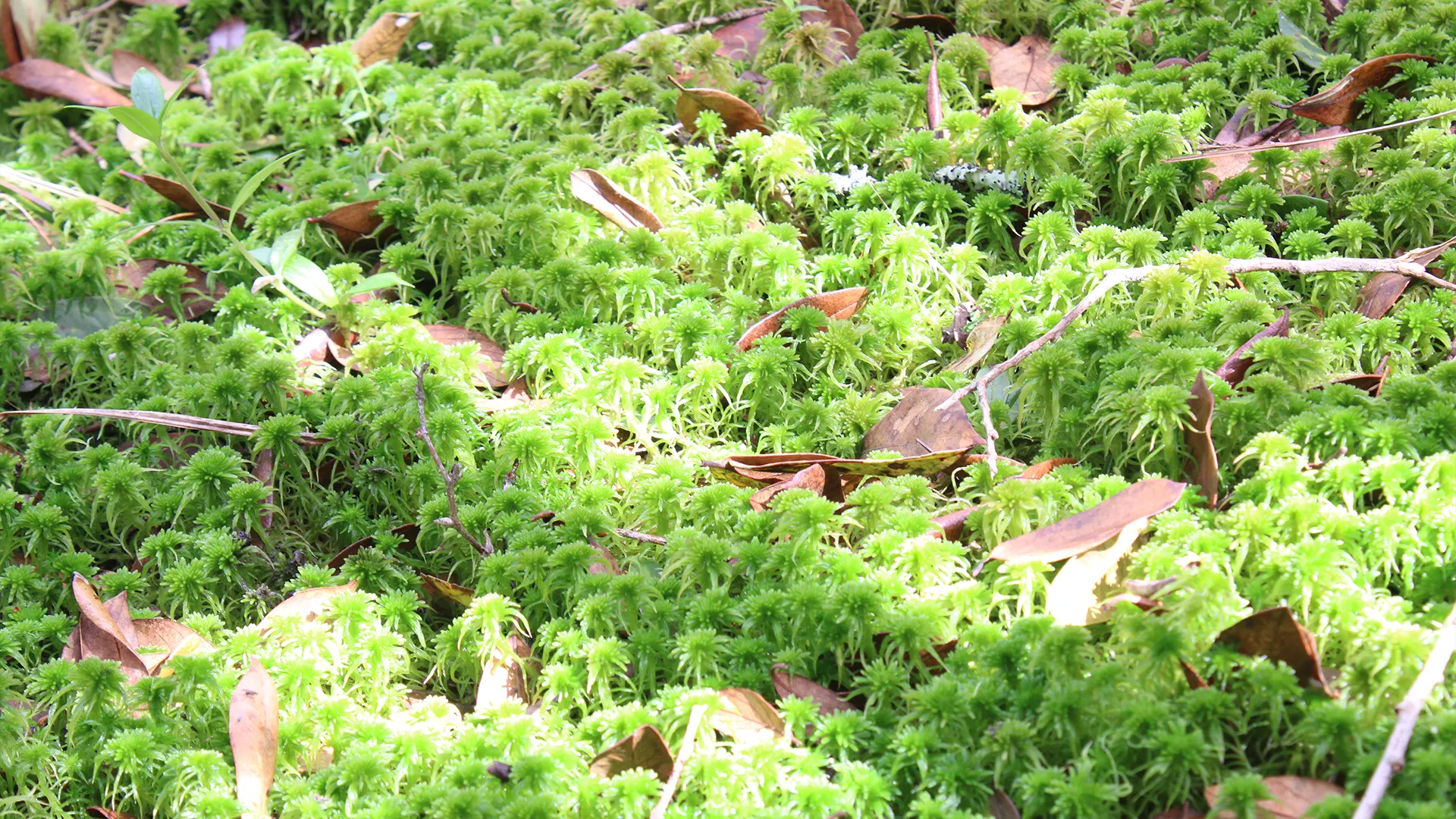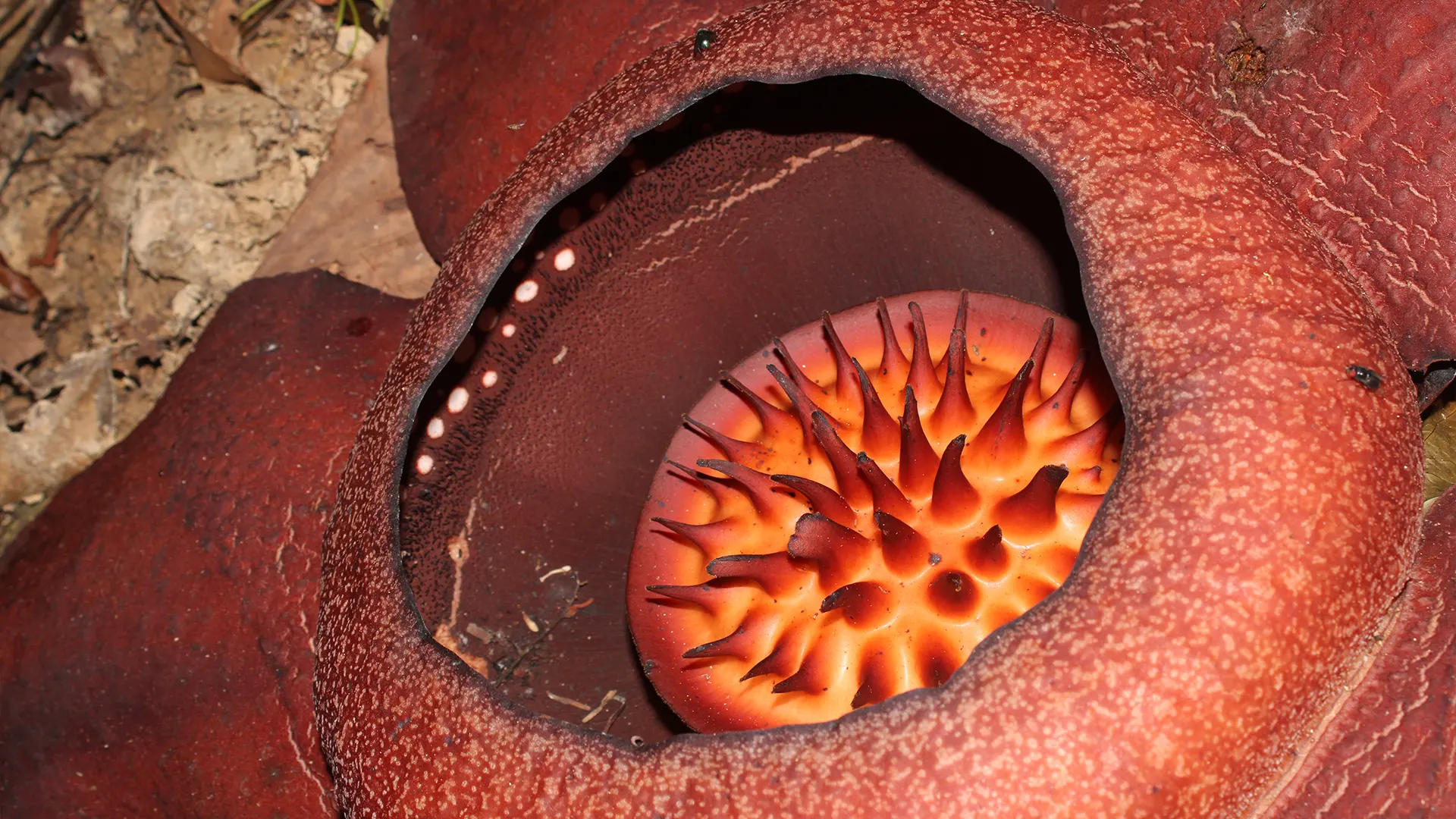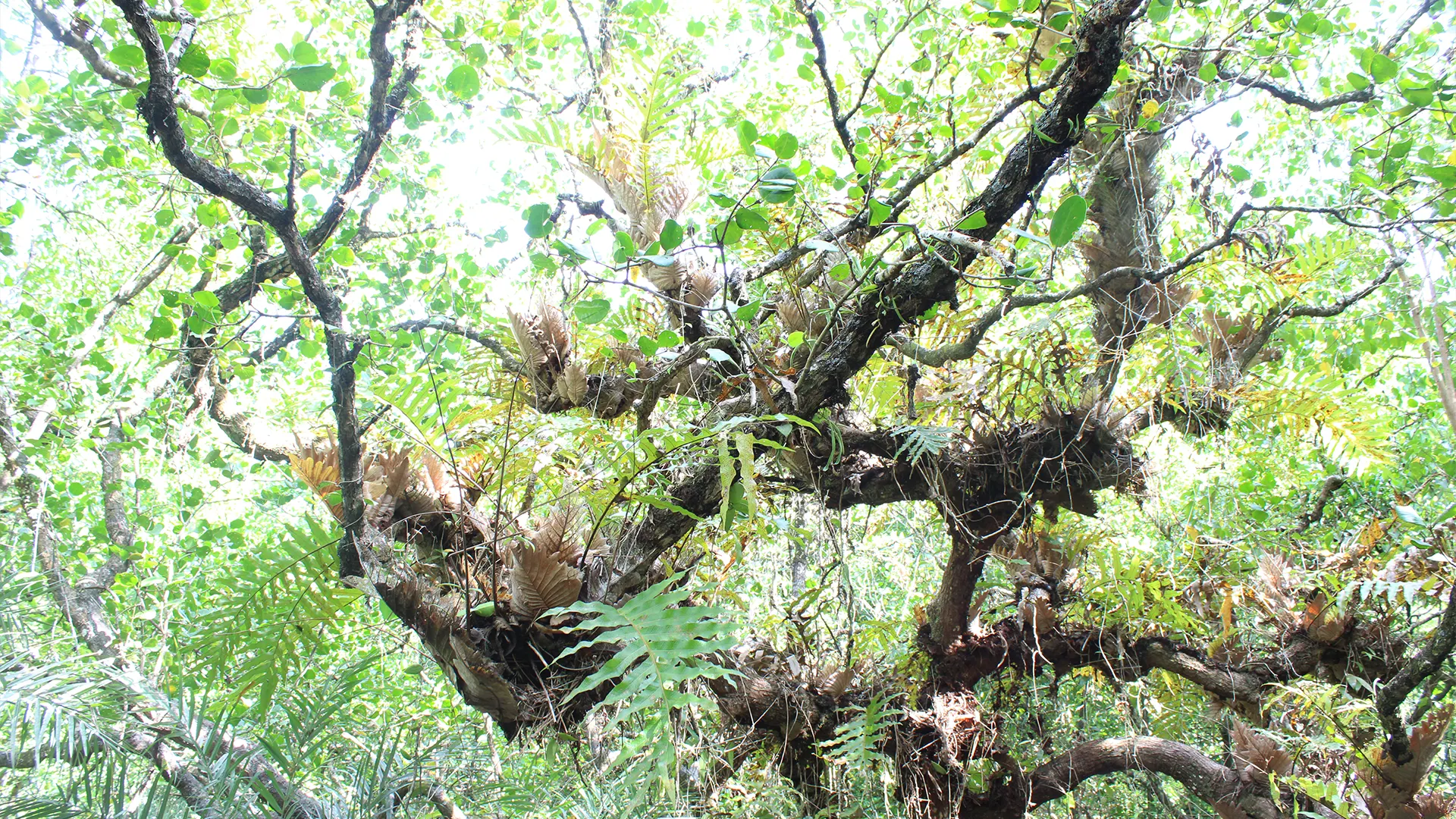
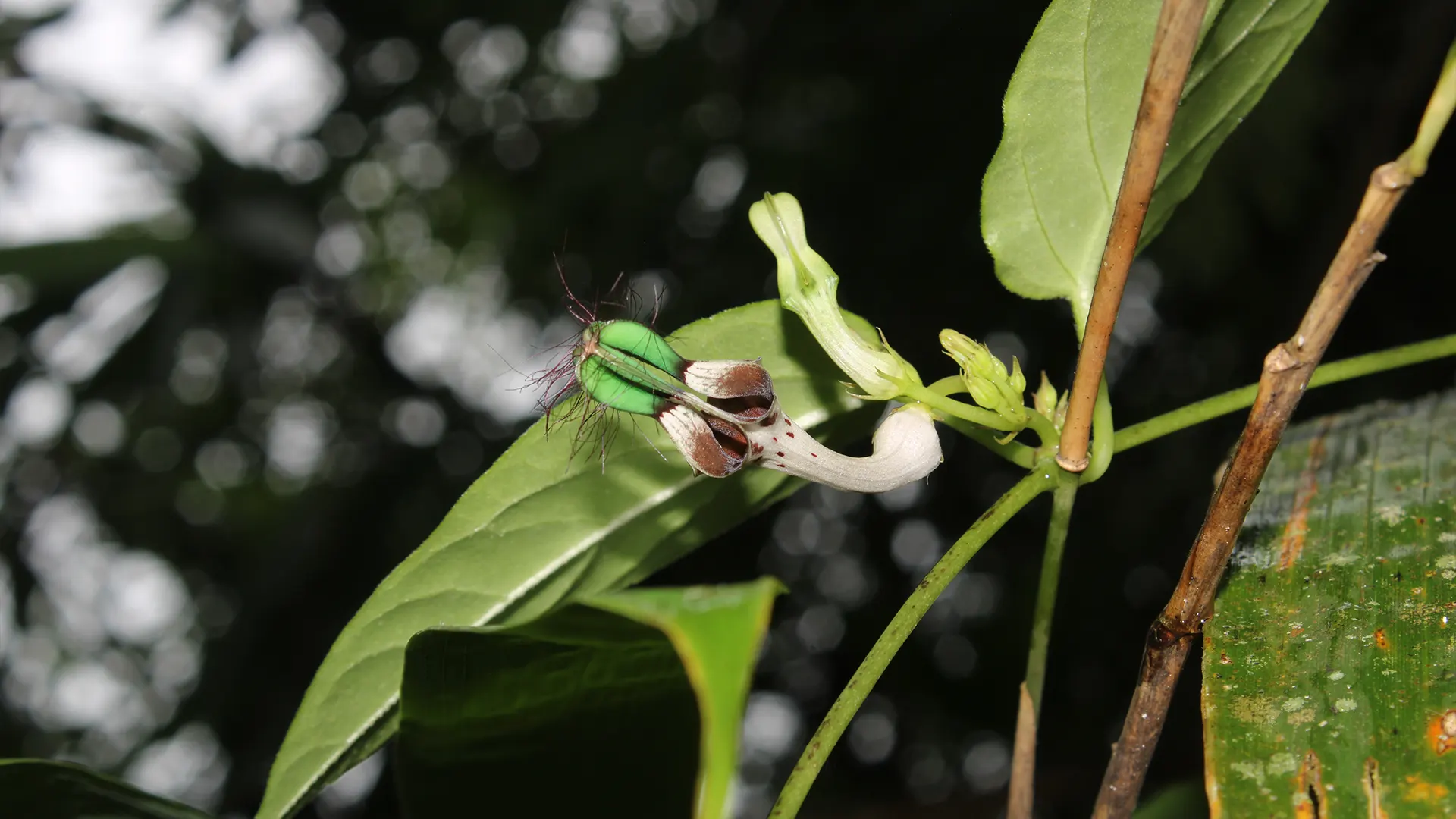
In terms of biodiversity, our world is still largely unexplored, especially in the tropics. Thailand is located in a globally recognized diversity hotspot and still have several undescribed plants species waiting to be discovered.
Human life has always been closely connected to plants. Throughout history, humans have developed various methods to optimize the utilization of plant resources. However, before being able to utilize the plants, it is important to know what these plants are first. With over 250,000 plant species currently documented globally (and many more yet undescribed species), the study of plant diversity serves as a critical foundation for advancing our knowledge of the botanical world.
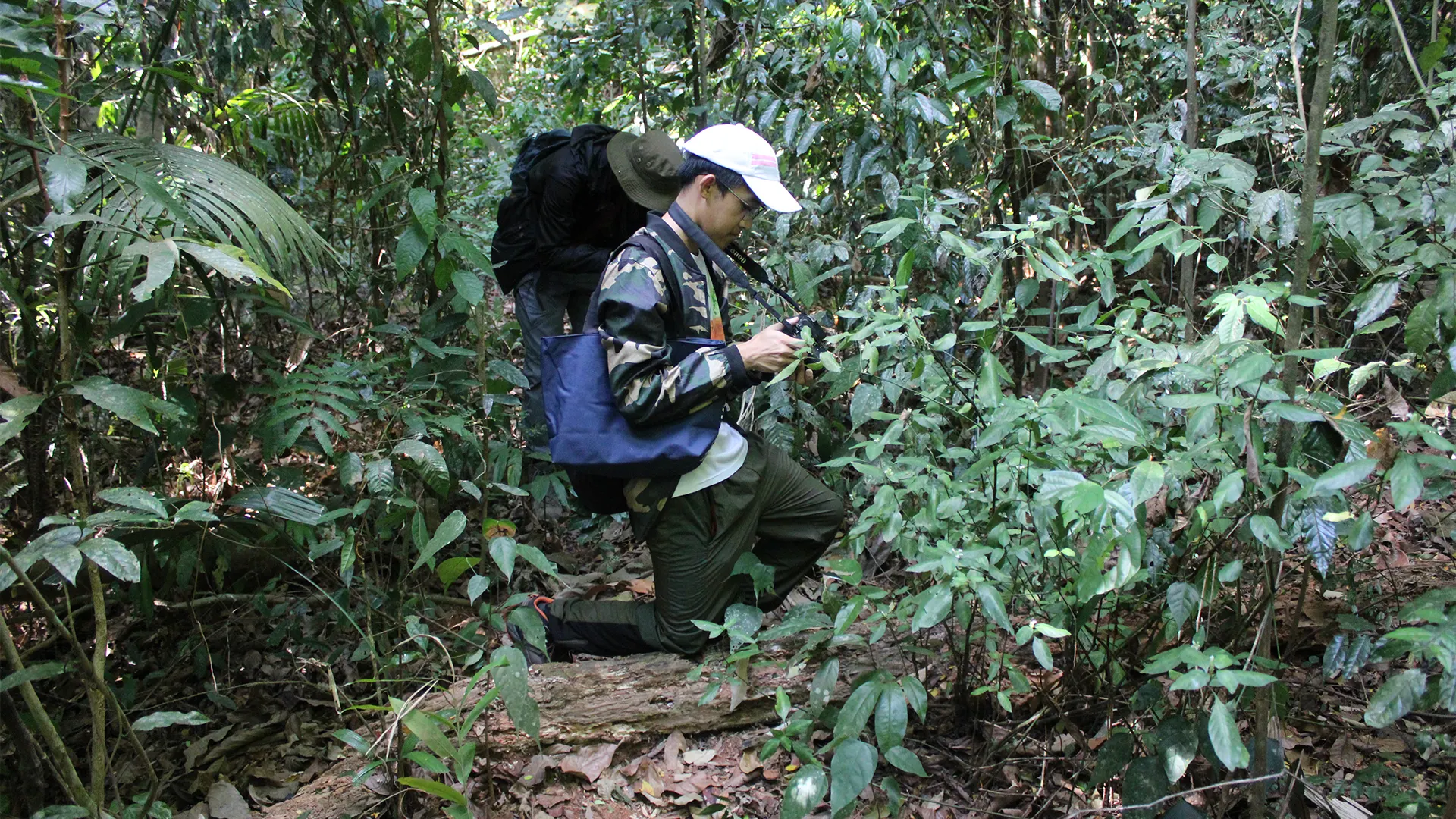
กลุ่มเนื้อหาวิชาในสาขาความหลากหลายของพืช เหมาะกับผู้เรียนที่มีความสนใจและรักธรรมชาติ มีความอยากรู้ อยากเห็น ช่างสังเกต อยากรู้จักตัวตนที่แท้จริงของพืชแต่ละชนิด และชอบการเดินทางศึกษาธรรมชาติ เพื่อจะได้เห็นความหลากหลายและความแปรผันของพืชกลุ่มต่าง ๆ
The curriculum covers fundamental courses in plant diversity, including :
Research on plant taxonomy in Thailand contributes to the creation of the “Flora of Thailand”, with studies on plant families such as Orchidaceae (Orchids), Asclepiadaceae (Milkweeds), Selaginellaceae (Spikemosses), Lycopodiaceae (Clubmosses), as well as various fern and bryophyte families. These research projects are collaborative efforts between students and faculty members, offering a comprehensive understanding of plant systematics and evolution.
Additionally, there are courses that cover the practical use of plants, which can be applied in various careers related to plants:
These courses provide practical knowledge that can be applied in professions and to create sustainable environments in society.
Our department have collaborations between taxonomists both domestically and internationally, including countries like Japan, Taiwan, China, Indonesia, Malaysia, the UK, France, Australia, Germany, the Netherlands, Denmark, the USA, and Canada.
These research findings, carried out in collaboration between students and faculty members, become important records for the nation and the world and are vital for studying biodiversity and utilizing plant resources in Thailand.
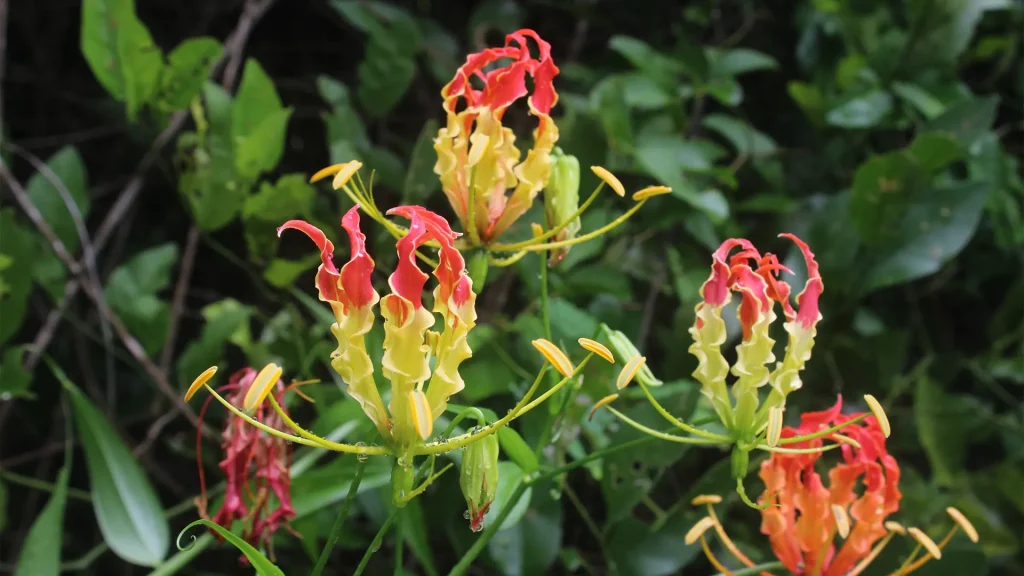
In addition to specific plant group research, other projects focus on plant diversity in various regions of Thailand, such as ethnobotany of various ethnic groups; plant surveys and utilization in mangrove and coastal forests in Khanom, Nakhon Si Thammarat; surveys of peat swamp plants in Thong Pha Phum, Kanchanaburi; studies on seedless plants in wetlands and limestone areas across Thailand; research in wildlife sanctuaries like Chiang Dao, Chiang Mai, and Phu Hin Rong Kla National Park, Phitsanulok; monitoring plant status in Phu Kradueng, Loei Province
Other notable studies include:
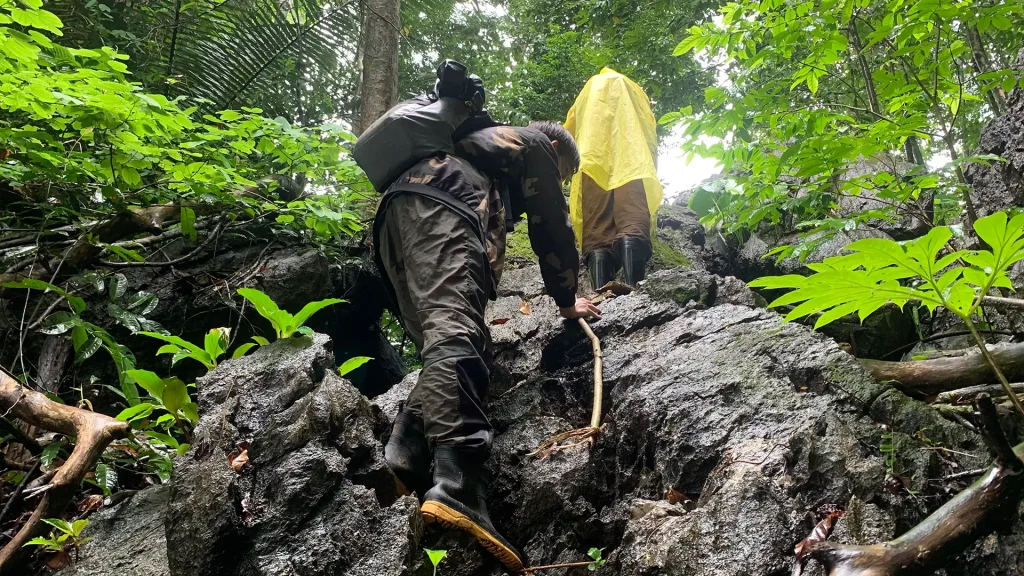
During their studies, students are encouraged to participate in activities that share their knowledge with the community. They gain hands-on experience by organizing events like botanical camps, including the “Giving Back to the Community” camp and the “Young Botanist Camp”. Students can also serve as guides, leading tours of the Prof. Kasin Suvatabhundu Herbarium and the Living Plant Museum. These activities provide students with valuable work experience, foster a positive attitude toward teamwork, and instill a sense of social responsibility.
Graduates with a degree in plant diversity branch can apply their knowledge to a variety of professions, including :
Collaboration with various institutions, as mentioned earlier, allows students to build professional networks and gain work experience. This helps them understand their strengths and interests, leading to clearer career paths after graduation. Knowledge of plant diversity will be a lifelong asset, enriching daily life and contributing to a sustainable environment for the future.
Faculty of Science, Chulalongkorn University