Department of Botany
Faculty of Science | Chulalongkorn University
Menu
Department of Botany
Faculty of Science | Chulalongkorn University
Menu
Plant Ecology
Home / Research Areas / Plant Ecology
Plant Ecology
Ecology of tropical forests, mangrove forests, and wetlands
Forest carbon dynamics
Plant-mycorrhizal interactions in reforestation
Plant root ecology
Importance
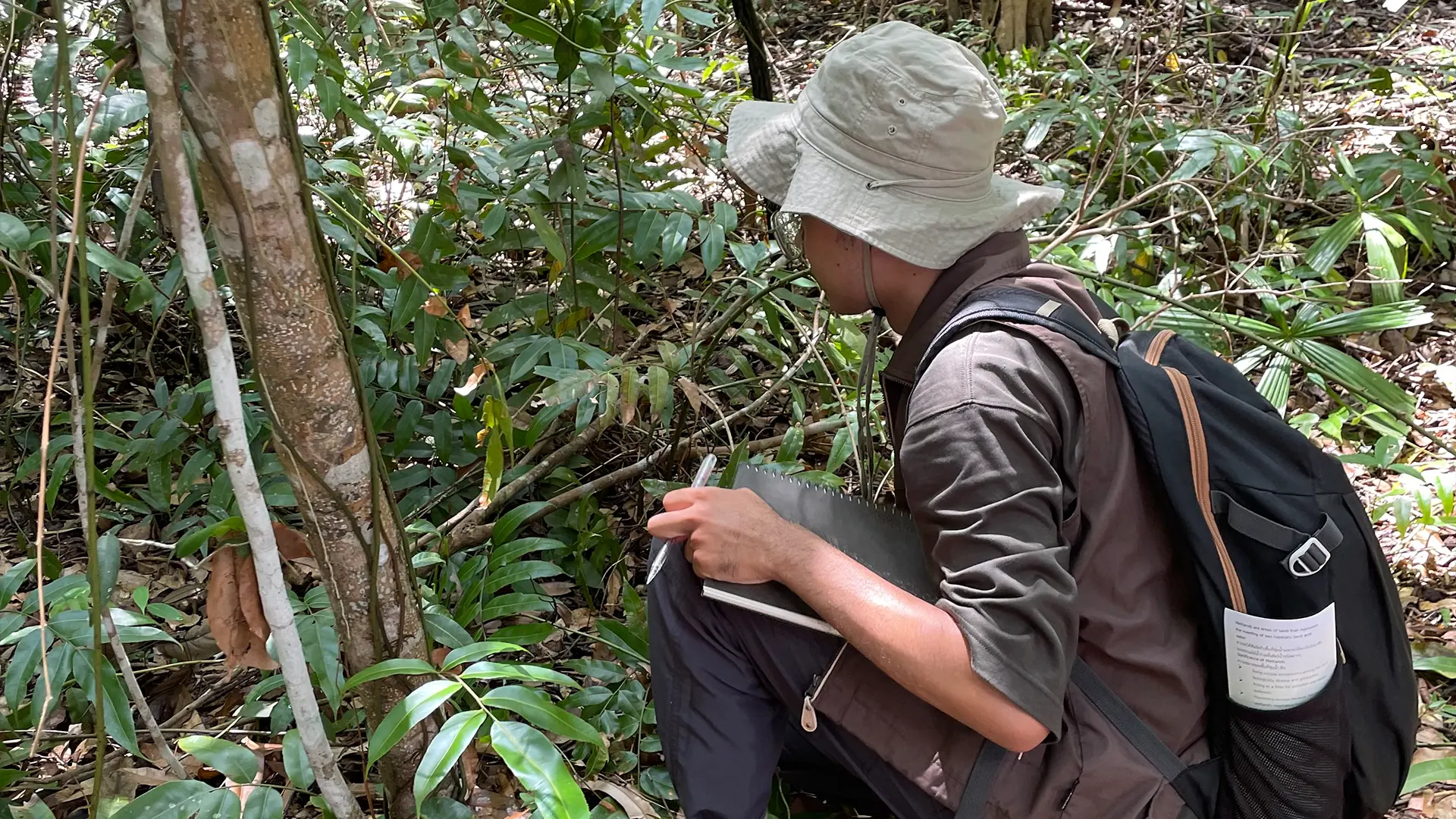
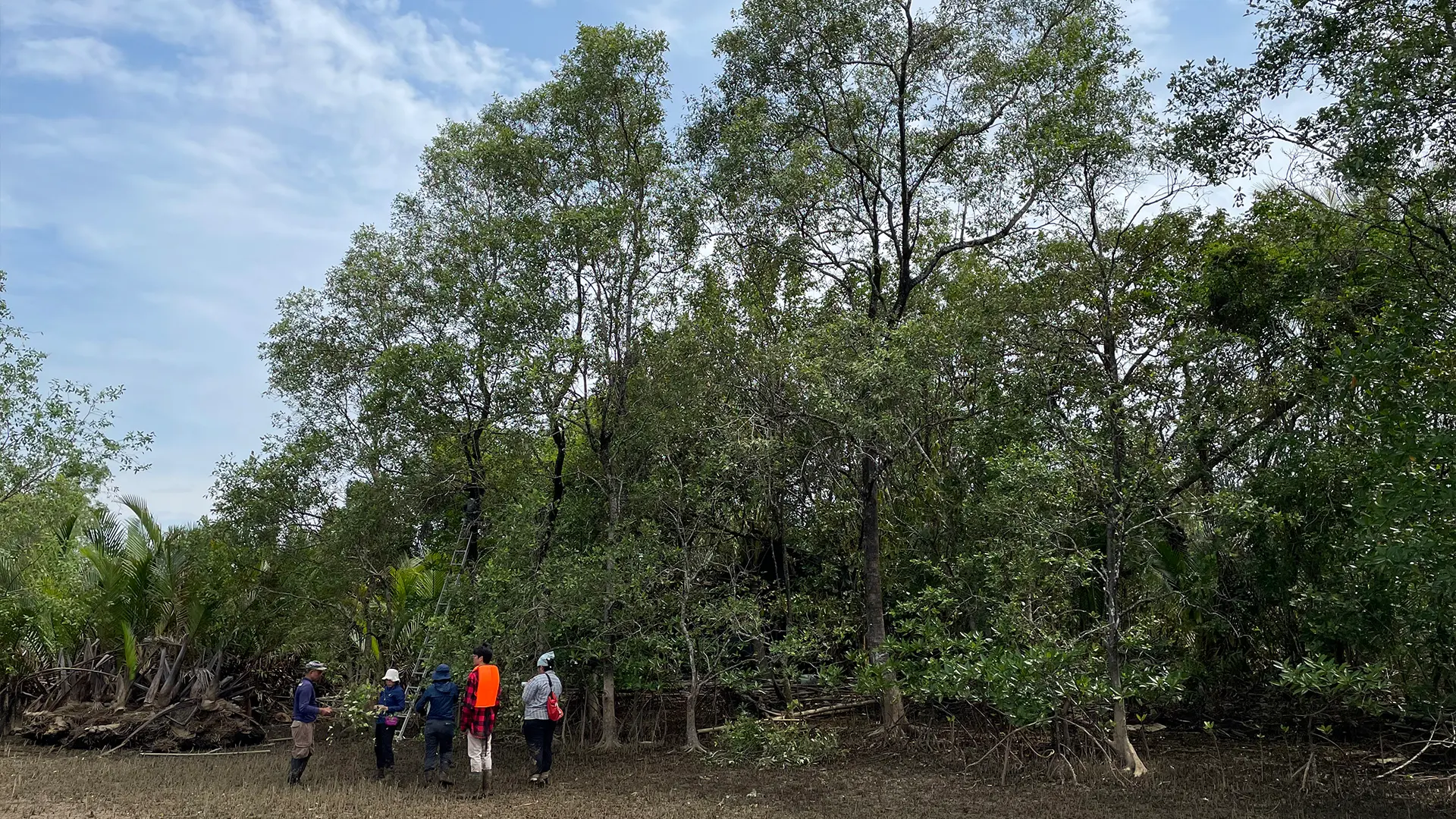
The study of plant ecology focuses on the relationship between plants and their environment, with a strong emphasis on fieldwork. This branch of botany is particularly suited for those who have a passion for adventure, seek to understand plant life outside of a laboratory, and conduct experiments within natural ecosystems.
What Will You Learn ?
Plant ecology studies are generally divided into two levels based on the components of living organisms. The first level is “Autecology”, which focuses on the study of plant ecology at the species or individual level, including population-level studies. It emphasizes plant adaptations to environmental changes and incorporates ecophysiology, a discipline combining ecology and plant physiology. Ecophysiology focuses on the changes or adaptations of plants to the current rapidly changing environment.
The second level is “Synecology”, which studies plant communities and ecosystems in nature. This involves examining plant community structure and how these communities respond to environmental changes. Studies in this area often involve production ecology, such as researching carbon dynamics in various forest ecosystems. The knowledge gained from these studies informs conservation and sustainable management strategies for plant ecosystems, providing a foundation to address global environmental challenges like climate change.
Related Research Projects
Current research in plant ecology focuses on estimating ecological productivity and the carbon storage potential of various forest ecosystems. Key research projects include:
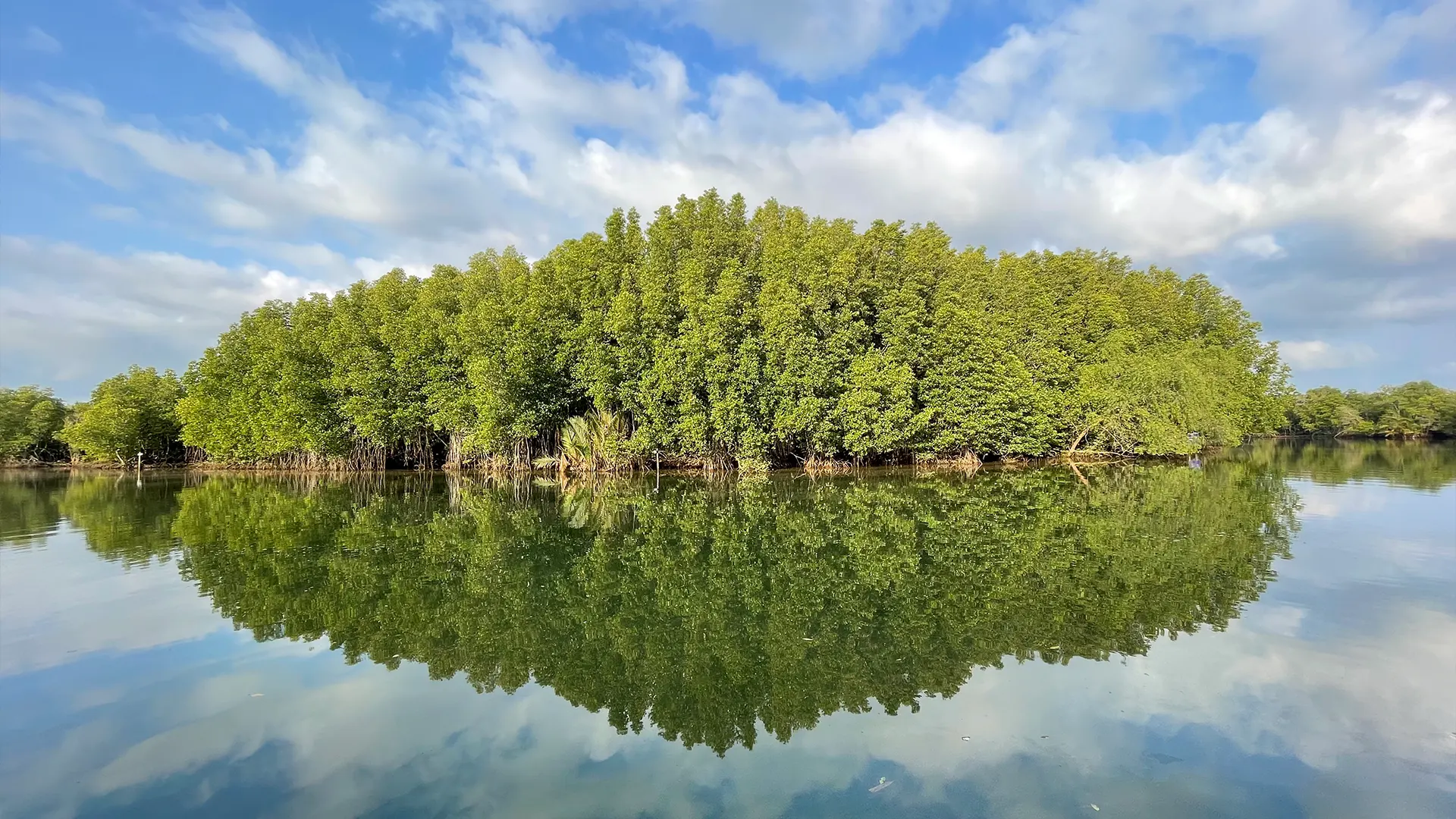
Developing models to estimate ecological productivity and carbon sequestration in mangrove ecosystems
Studying the decomposition rates of mangrove leaves and roots
Investigating the carbon dioxide absorption by mangrove plant communities, which play a critical role in reducing greenhouse gasses and mitigating global warming impacts.
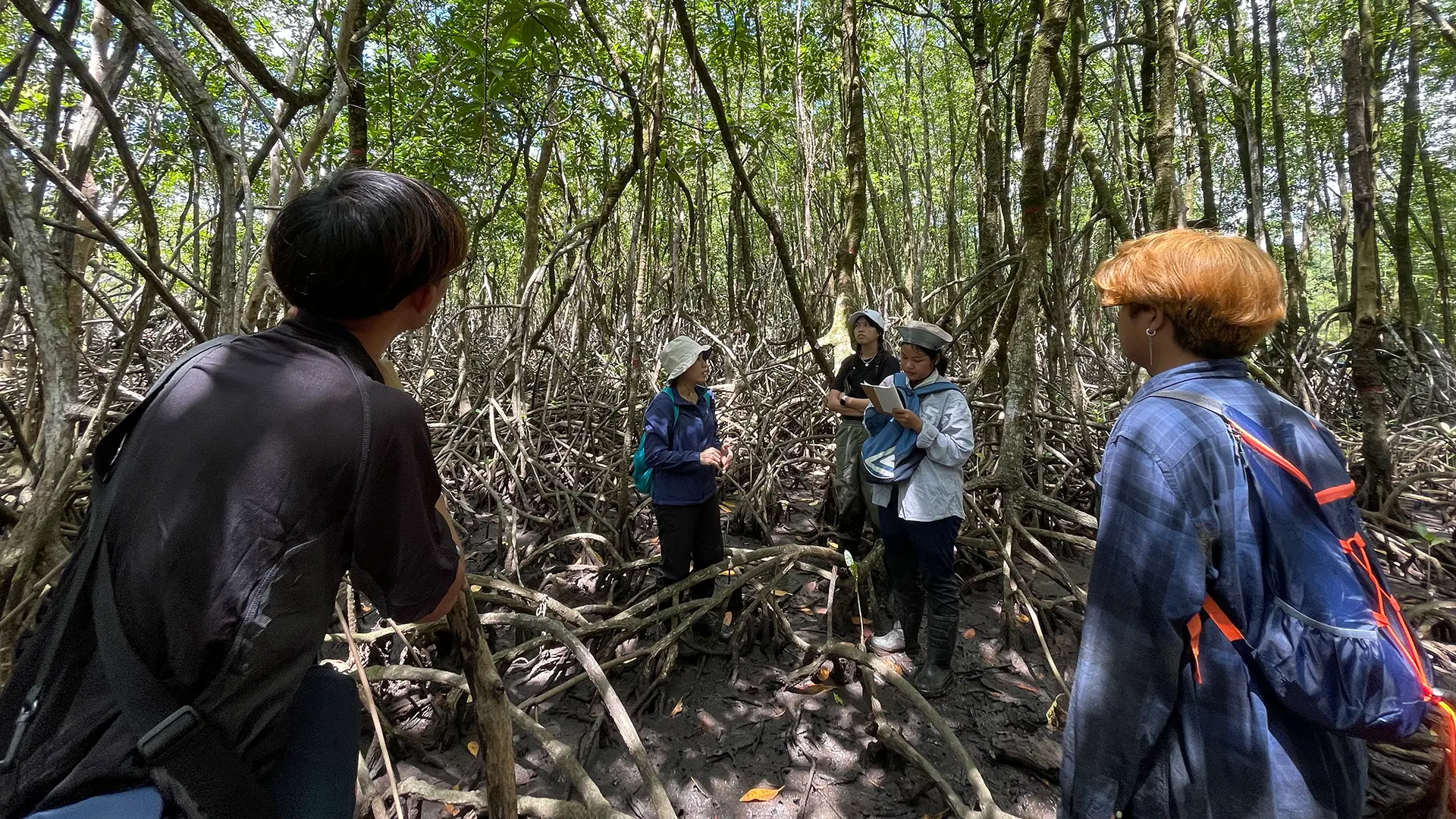
Examining the structure of mangrove root systems and the deposition of particles in coastal areas experiencing erosion aims to assess the potential of mangrove root systems in mitigating increasing coastal erosion issues.
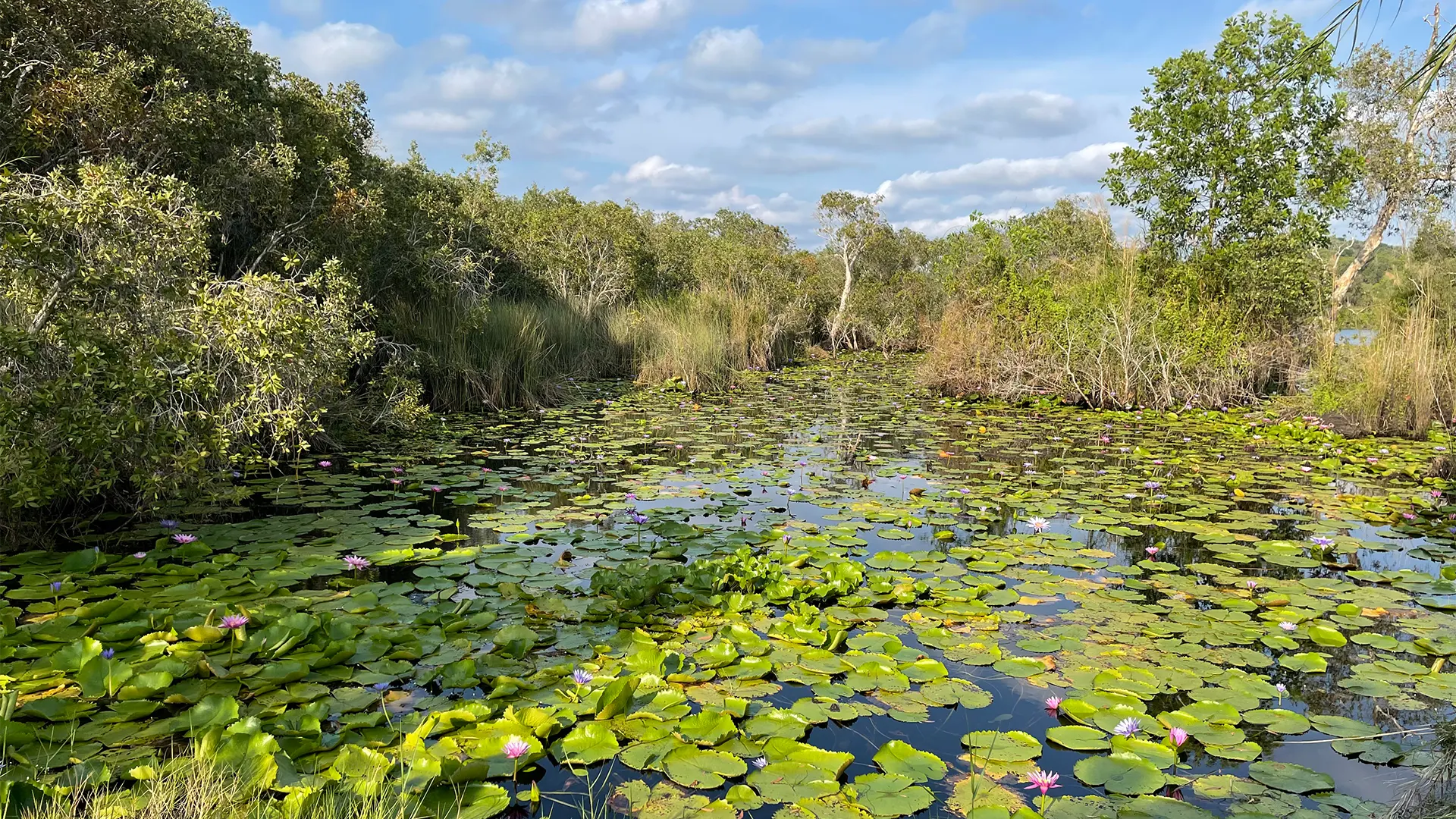
Additionally, there are ongoing projects tracking the status and ecology of orchids in wetland ecosystems, which are highly sensitive to environmental changes. These studies examine plant structures, species density, leaf size, flowering patterns, and the environmental factors affecting orchid survival. Wetlands are vital but vulnerable ecosystems that require urgent conservation efforts.
Collaboration with External Agencies
Plant ecology research within the Department of Botany benefits from collaborations with various national and international institutions, such as Thailand’s Department of Marine and Coastal Resources (DMCR) and the Botanical Garden Organization. External research funding and partnerships with universities worldwide support ongoing projects, which are published in national and international journals. This highlights the Department of Botany’s role as a national reference point under Chulalongkorn University’s mission.