Department of Botany
Faculty of Science | Chulalongkorn University

Search
Close this search box.

Plant Physiology

Home / Research Areas / Plant Physiology

Plant Physiology

  • Postharvest Physiology of Horticultural Plants
  • Plant Tissue Culture
  • The Role of Hormones in Plant Growth and Development
  • Organic Farming
  • Plant Diseases (Fungi and Bacterial Pathogens)
  • Molecular Mechanisms Regulating Plant Responses to Stress Conditions

Importance

Plant physiology is the study of how various processes within plant structures allow them to function and survive. For example, it covers photosynthesis, which enables plants to convert light energy into sugars, cellular respiration, which converts food into ATP, the transport of water and minerals, and the role of plant hormones in growth and response to environmental stimuli.

This field also covers areas like:

Plant stress physiology
How plants respond to adverse environmental conditions.

Plant responses to environmental stimuli
Including light, temperature, and other factors.

Plant-microbe interaction
Studying the symbiosis between plants and microorganisms.

Postharvest physiology
Understanding how to maintain crop quality after harvest.

Understanding these processes is especially beneficial for agricultural countries like Thailand, as it helps in identifying solutions to increase crop yields amidst climate change and rising global population. Plant physiologists play a key role in addressing food security issues by developing techniques to improve plant growth and resilience.

Research Areas

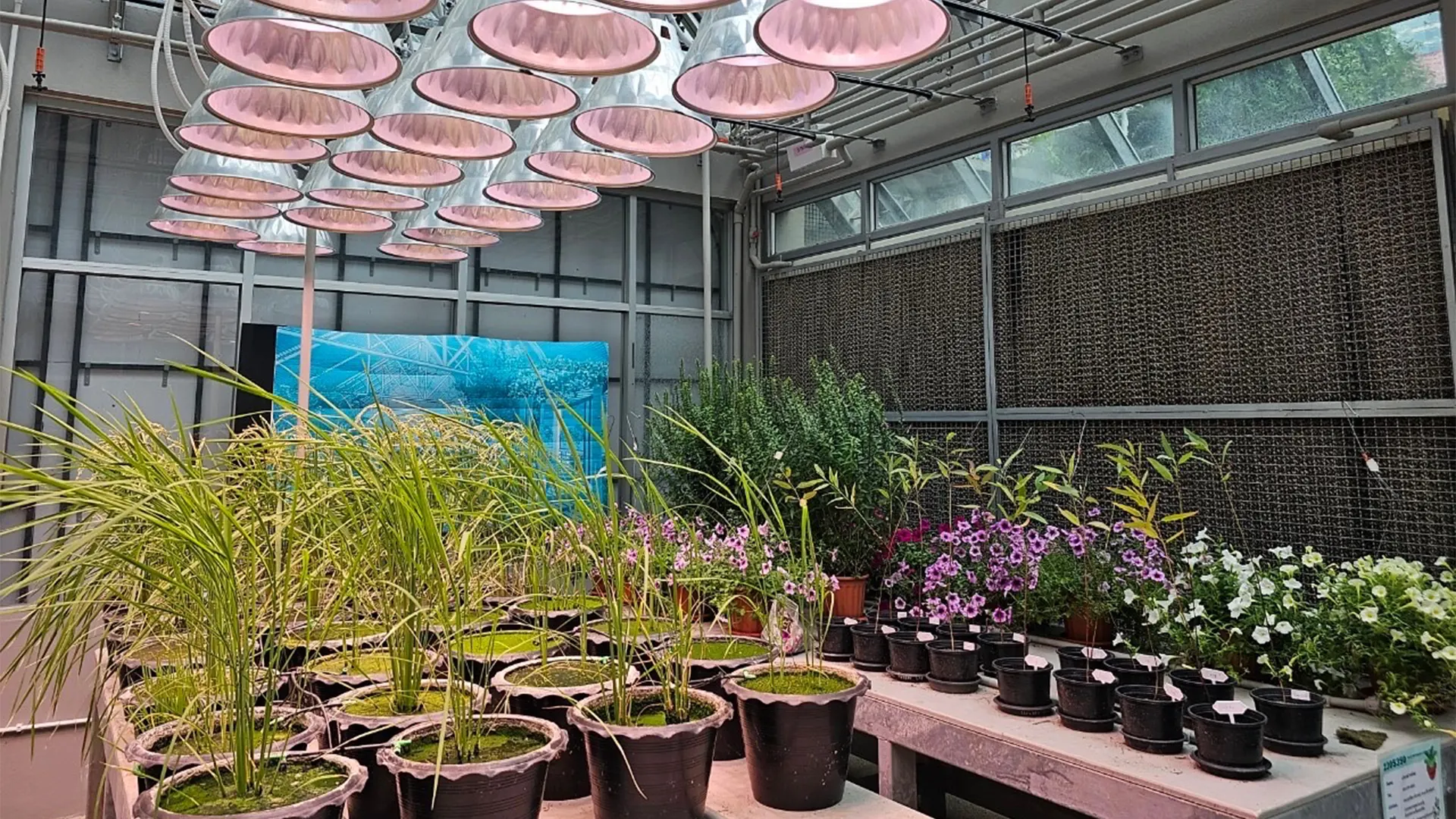
At the Department of Botany, Chulalongkorn University, the Center of Excellence in Plant Physiology and Environment focuses on research in plant physiology. Below are examples of ongoing research in different areas
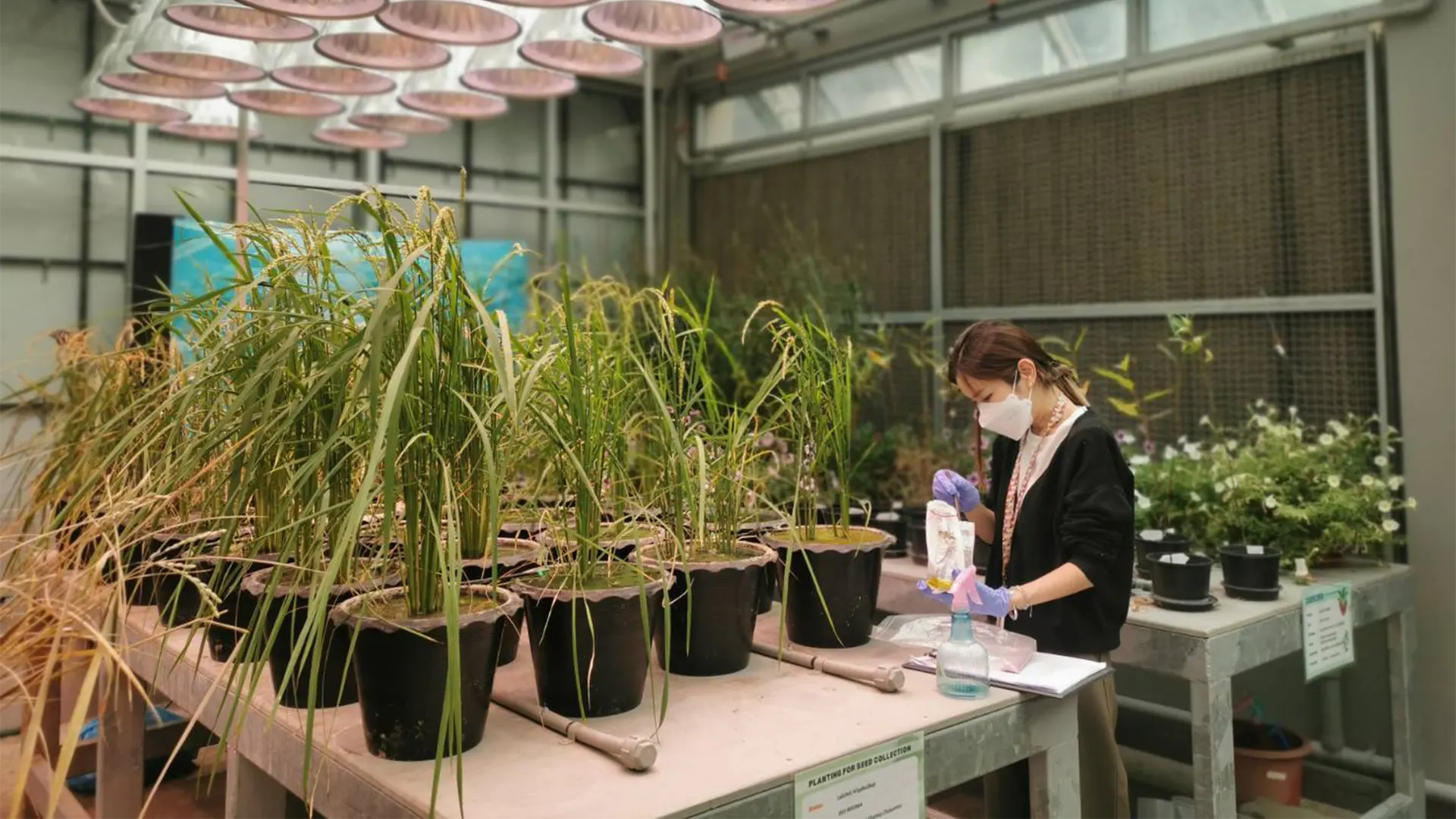
Plant stress physiology: Studying plant responses at the organismal and genomic levels, such as

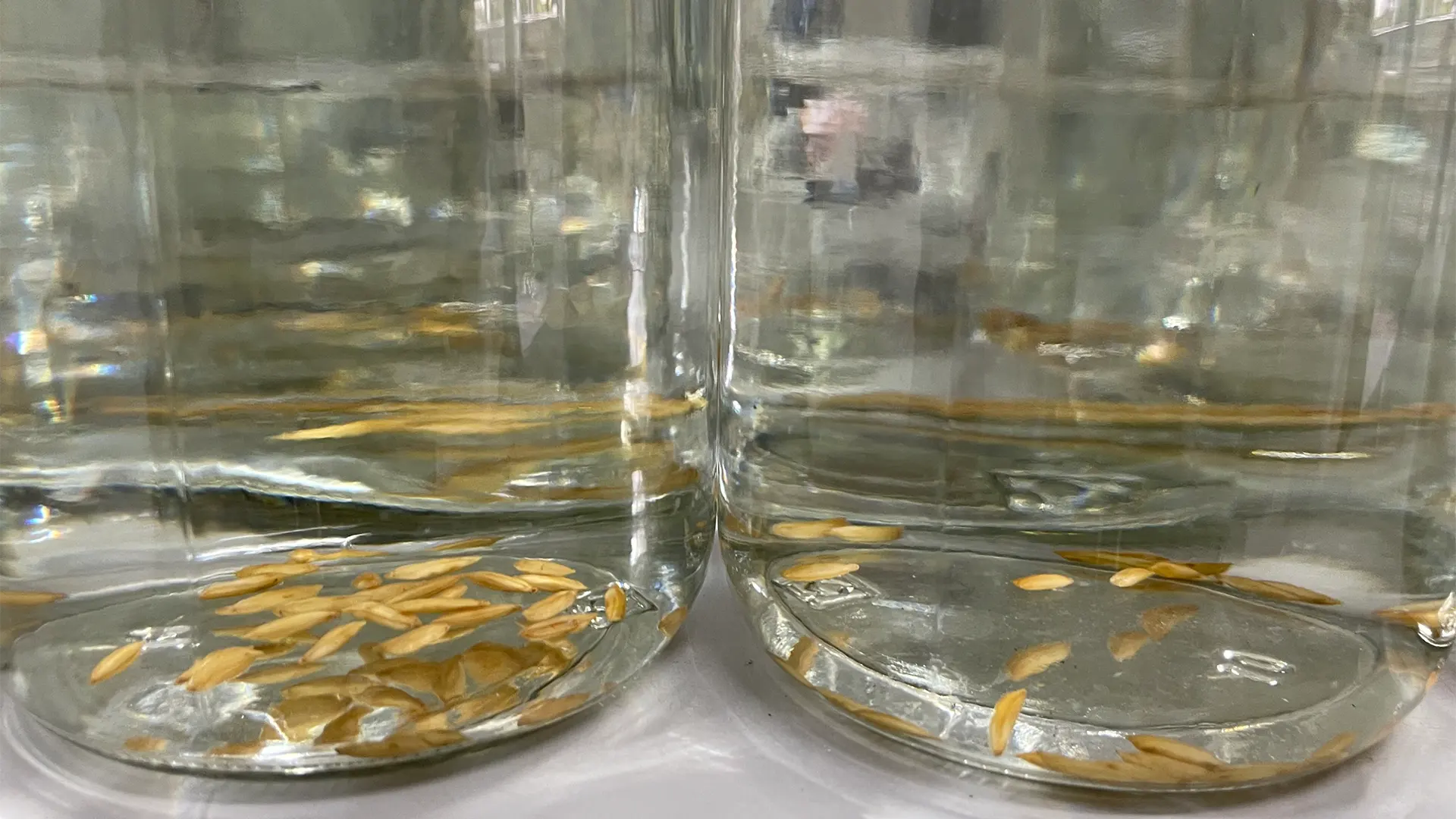
  • Research on genomic traits for salt tolerance in rice (Oryza sativa L.).
  • Identification of genes associated with salt tolerance in rice chromosomes.
  • Genomic changes in salt-tolerant rice.
  • Studying the Na/K ratio in the leaves and roots of native Thai rice varieties under salt stress.

Plant responses to external factors

  • The role of arbuscular mycorrhizal fungi and chitin application on plant root microbial communities.
  • The role of silicon in increasing rice’s salt tolerance.

Postharvest physiology

  • Development of nano-films to extend the postharvest shelf life of Nam Dok Mai mangoes.
  • The effects of chitosan and O-80 chitosan extracts on growth, photosynthesis, and gene expression in rice.
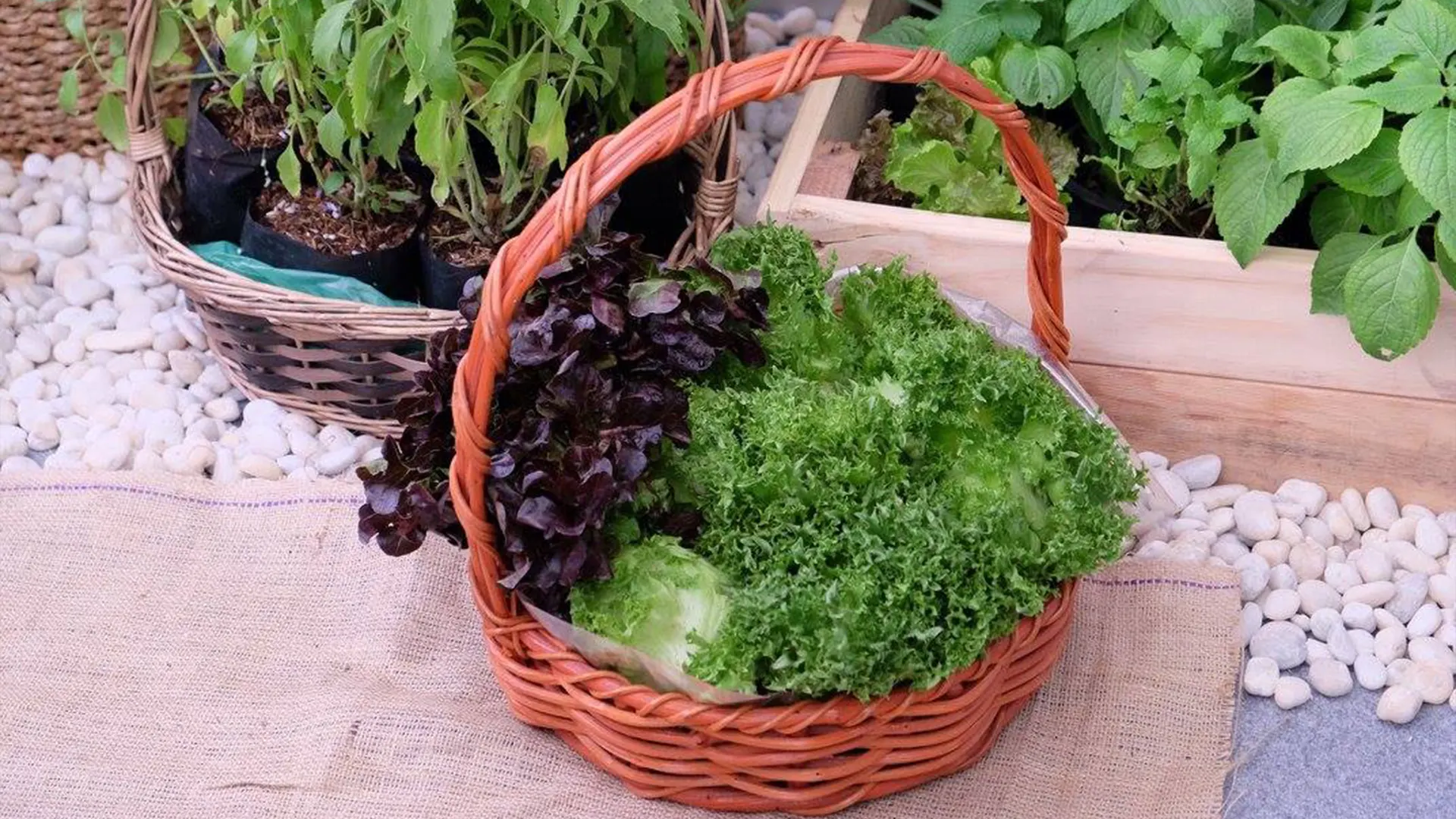
  • The influence of biological and semi-biological materials on the postharvest quality of lettuce (Lactuca sativa L.).
  • The role of arbuscular mycorrhizal fungi on lettuce and its rhizosphere microbial community.

Collaborations

The Center of Excellence in Plant Physiology and Environment fosters partnerships with various national and international institutions, including Rice Gene Discovery Unit at the National Center for Genetic Engineering and Biotechnology, and Rice Research Centers in Ubon Ratchathani, Khon Kaen, and Sakon Nakhon in Thailand.

International collaborations with :

  • Genome Center, University of California, Davis, USA.
  • Department of Horticulture and Landscape Architecture, Purdue University, USA.
  • School of Life Science, Peking University, China.
  • National University of Singapore.
  • University of Salzburg, Austria.


These collaborations contribute to the department’s cutting-edge research and development in plant physiology, benefiting both Thailand’s agricultural sector and global scientific communities.